
How I Got My Ham Radio License in Vietnam (XV9KV) 🇻🇳
KE2DFQCheckingXV9KVChecking

Amateur radio, usually called ham radio, is a licensed hobby. You earn the right to transmit, you put a station on the air, and you talk to other operators. Across town on a repeater, or around the world on the HF bands. The phone company is not in the middle of it.
In the United States the first license is Technician. It is a multiple-choice exam. There is no Morse code requirement, the fee is small, and the license lasts ten years. Most people study for a few weeks. A license is what makes transmitting legal, and it opens bands and equipment you cannot use any other way. After Technician, people upgrade when they want more privileges, not because the hobby demands it on the first day.
What you do next depends on the station. Some operators talk locally. Some chase a contact on another continent with a wire antenna and a modest radio. Some use voice, some use digital modes, and some bounce a signal off a satellite. When other networks fail, ham radio is often still up, which is why emergency groups keep it in the plan. None of that requires a perfect station. It requires a license and something that transmits.
A lot of the hobby is the hardware. Antennas you build, radios you program, projects you take apart when they do not behave. A failed experiment is still part of the work. You learn which band was wrong, which wire was too short, and what to change next time. That loop, try it and fix it, is as old as the hobby.
Ham Radio Playground is here to keep that fun. Reviews, builds, experiments, and how-tos, written so a new licensee or someone who has been on the air for years can both use them. There is a lot to ham radio. This site says it straight, and the stuff that does not work the first time stays in.
Loading band conditions…
KE2DFQ / XV9KV
Loading POTA stats…
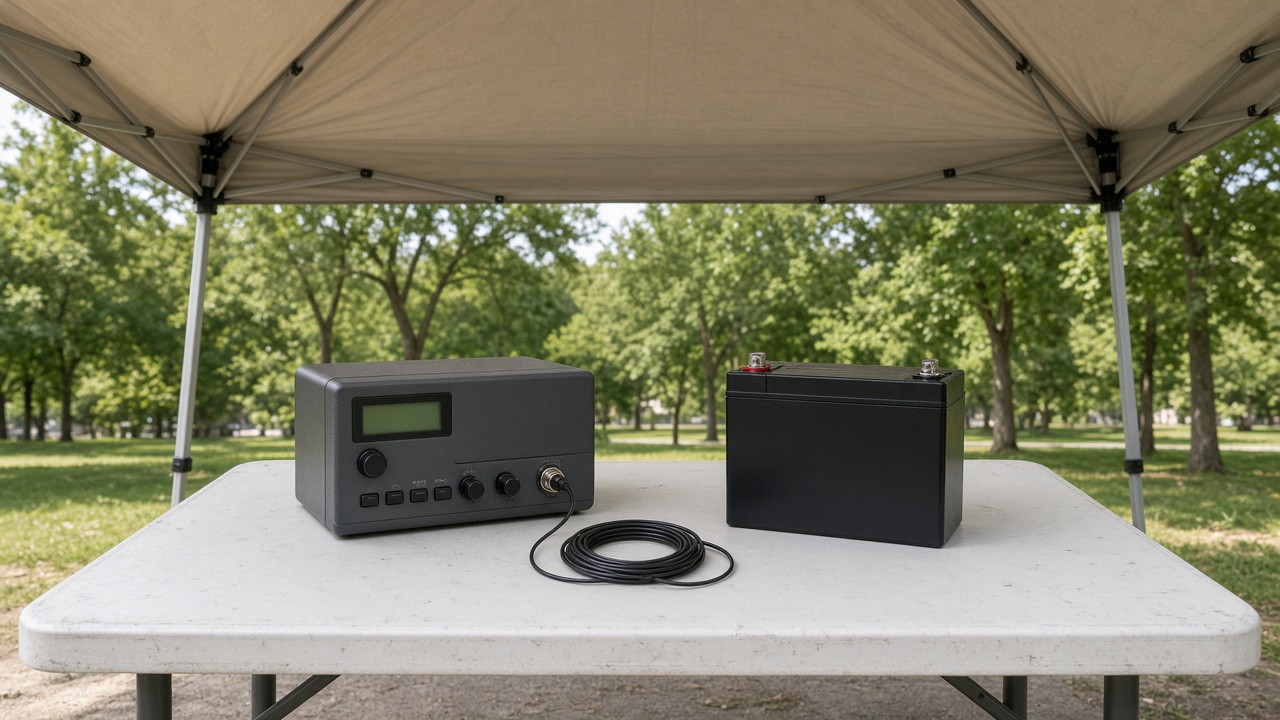 Field Day
 is the June weekend when hams set up away from the home shack, make contacts, and practice operating when the power is out. Bring a radio and a log.
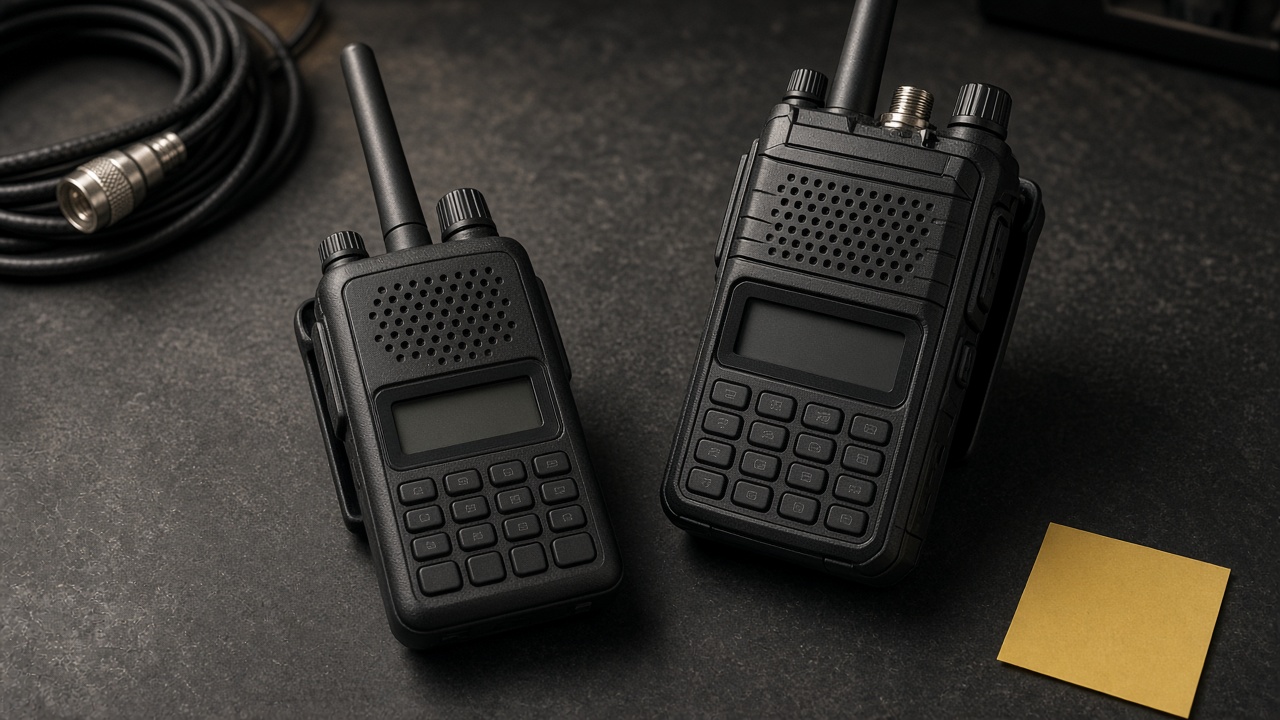 Dual-Band vs Tri-Band Radio
A dual band vs tri band radio choice is about coverage. Two bands handle most local work, and a third band helps only where people actually use it.
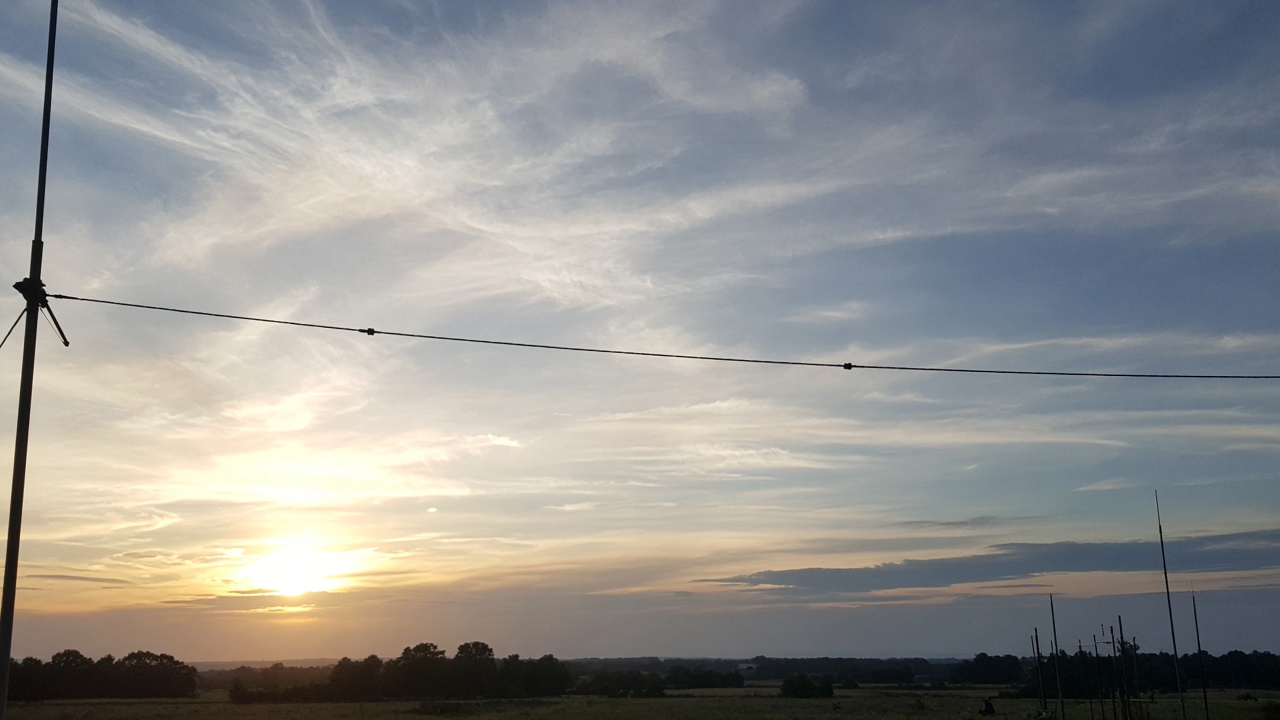 Ham Radio Propagation
Ham radio propagation is why a band is full of distant stations at noon and quiet after dark. The ionosphere and the Sun decide which HF path is open.

