From the Bench
Discover the posts from Ham Radio Playground! Whether you're experimenting with antennas, tackling a new project, or just curious about the hobby, this is where the writing lives. Read one, learn something, and have a blast. Join us in the adventure, because ham radio should be fun for everyone!
Showing 1–7 of 28
Getting Started
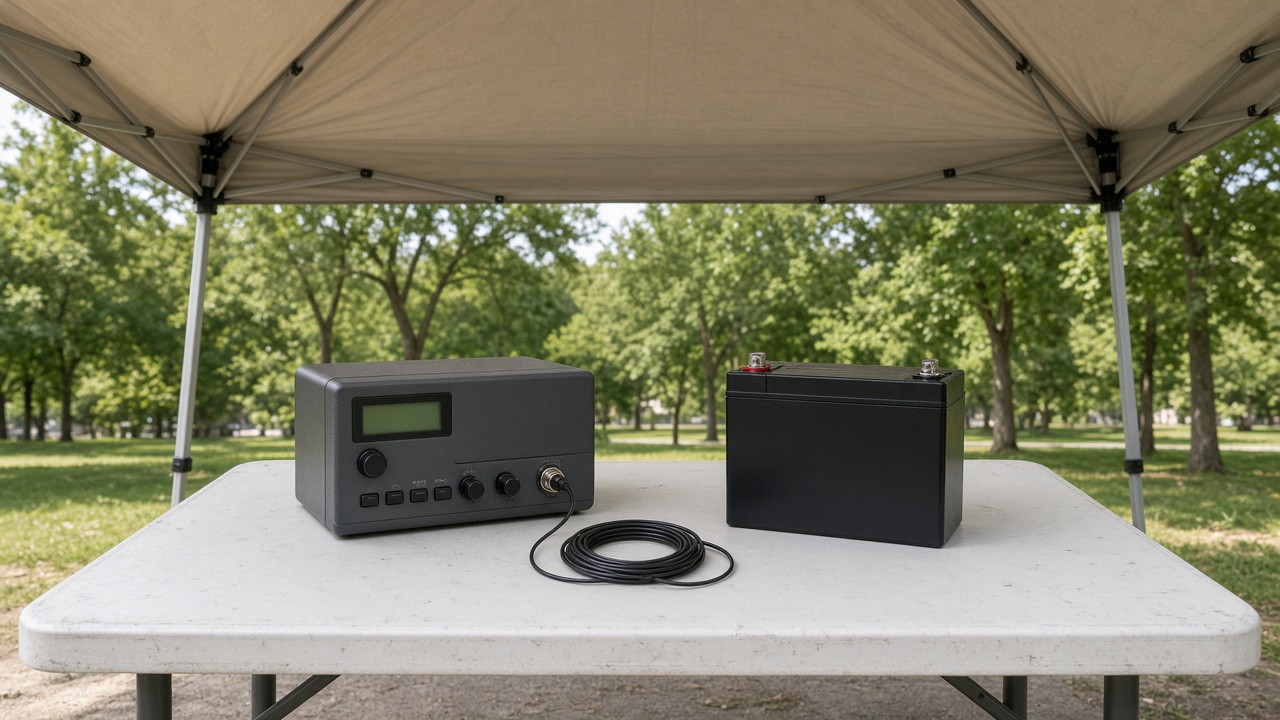
Field Day
Field Day is the June weekend when hams set up away from the home shack, make contacts, and practice operating when the power is out. Bring a radio and a log.
Equipment
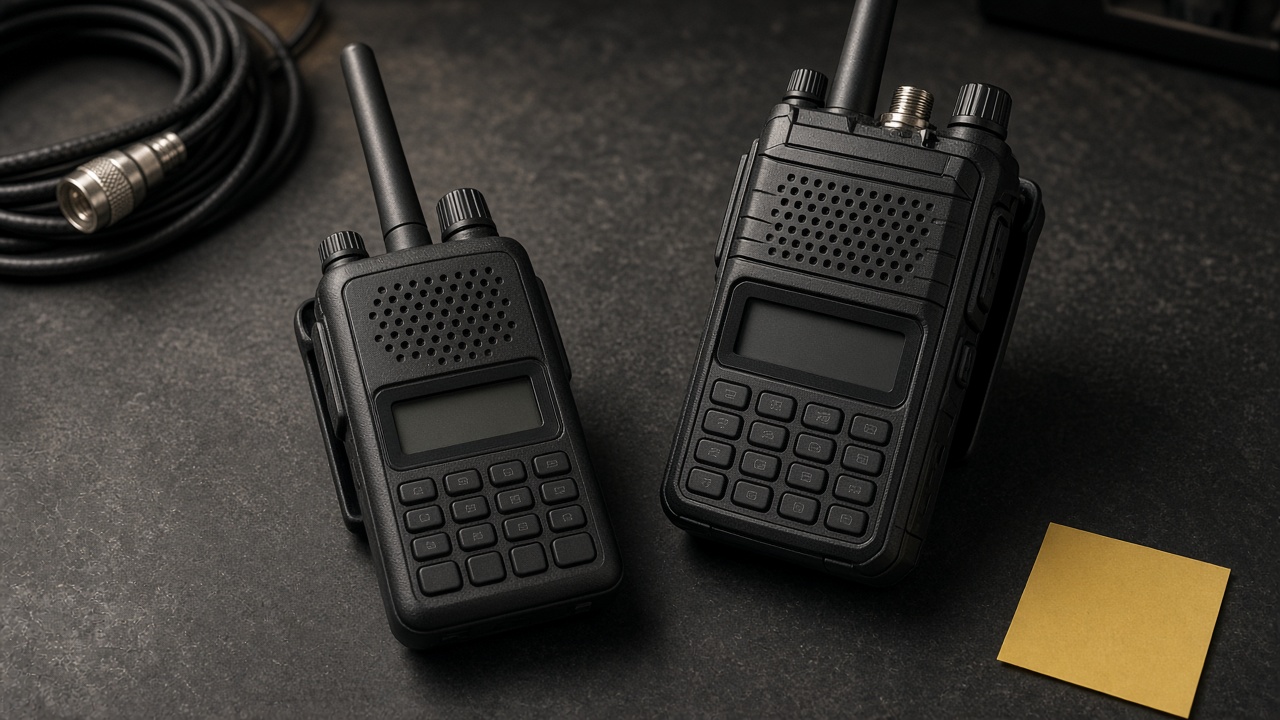
Dual-Band vs Tri-Band Radio
A dual band vs tri band radio choice is about coverage. Two bands handle most local work, and a third band helps only where people actually use it.
Frequencies
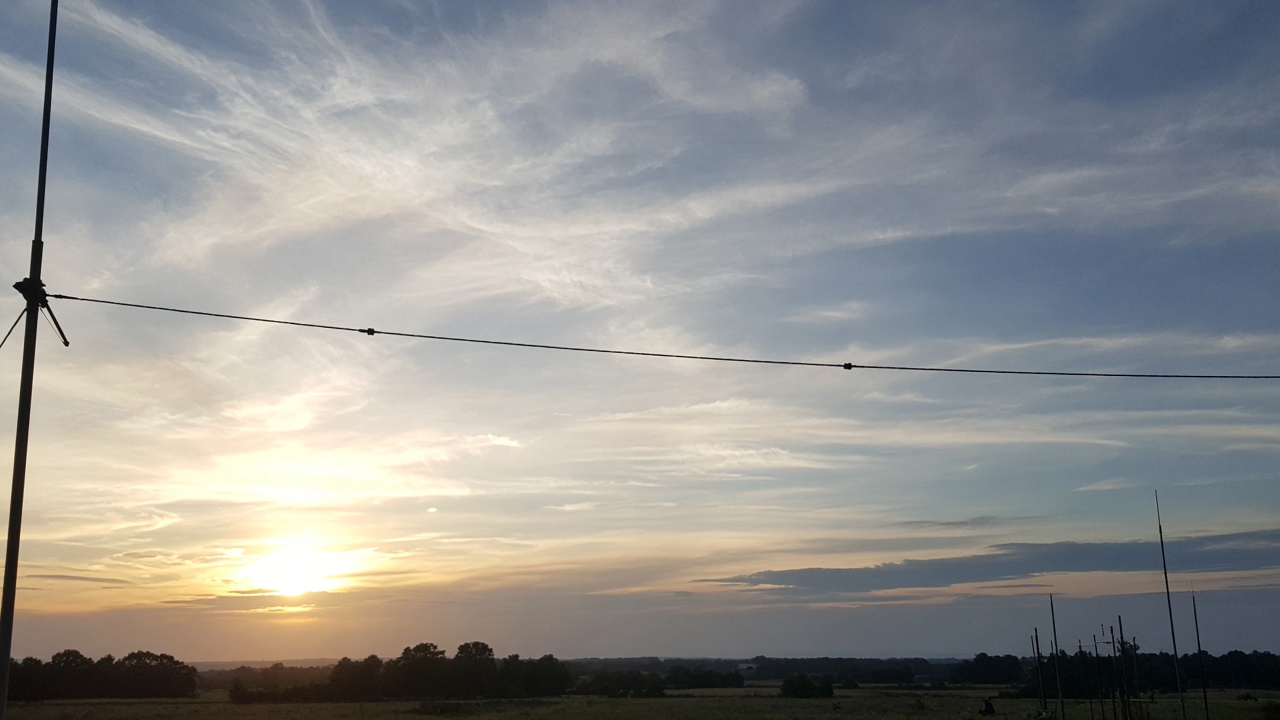
Ham Radio Propagation
Ham radio propagation is why a band is full of distant stations at noon and quiet after dark. The ionosphere and the Sun decide which HF path is open.
Equipment
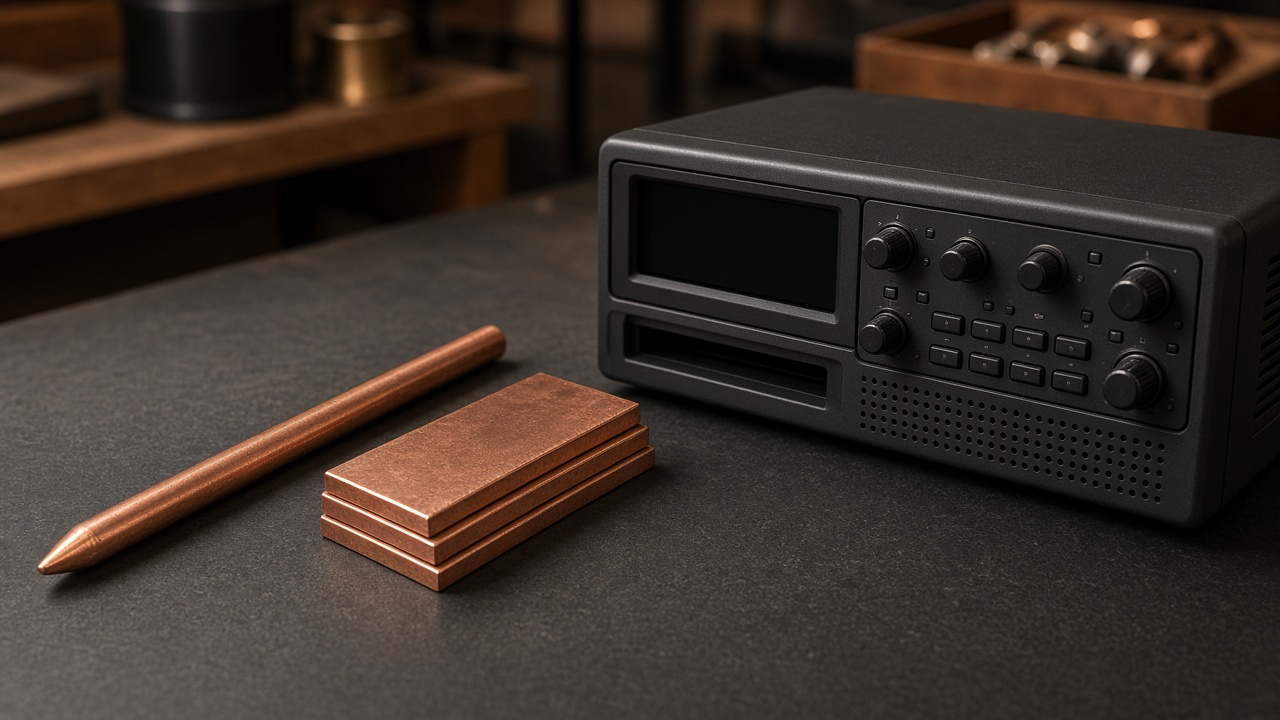
Ham Radio Grounding
Ham radio grounding covers electrical safety, a lightning path, and stray RF. Bond the station to one point, then bond that point to the house ground.
Getting Started
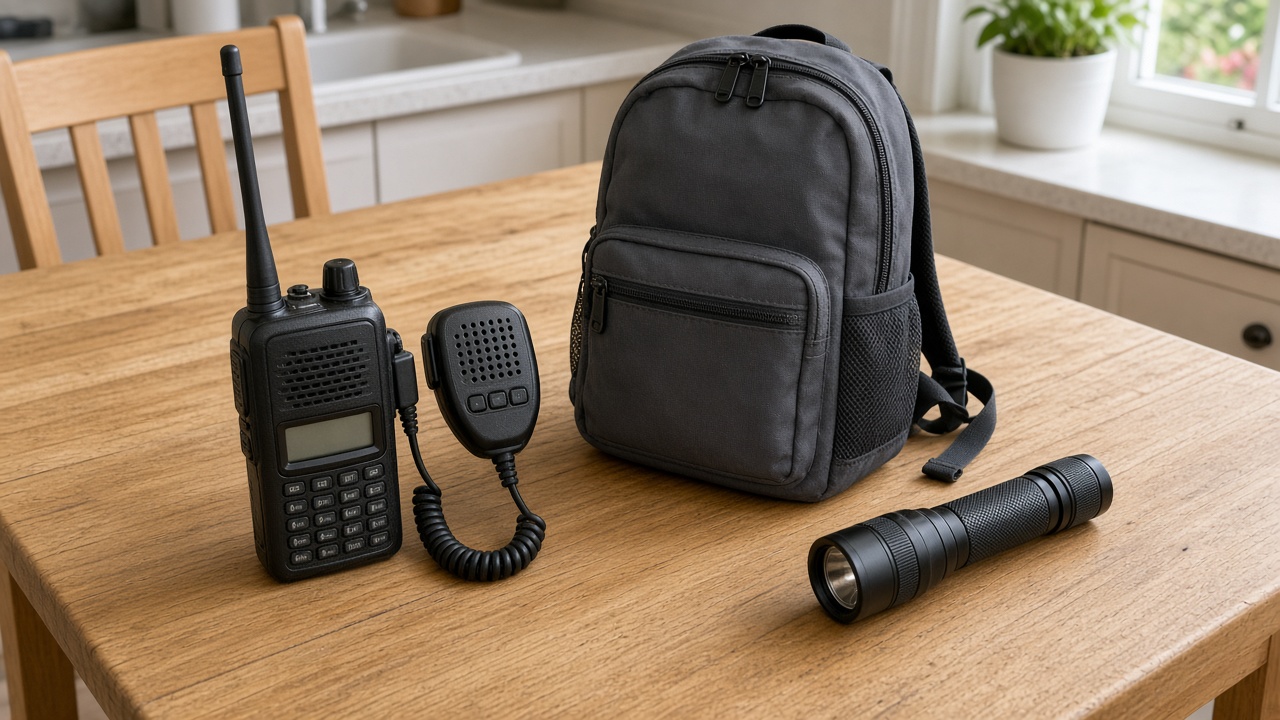
Amateur Radio Emergency Communication
Amateur radio emergency communication is the practiced way hams pass messages when phones and the internet are down. It starts with a net, a radio, and a plan.
Digital Modes
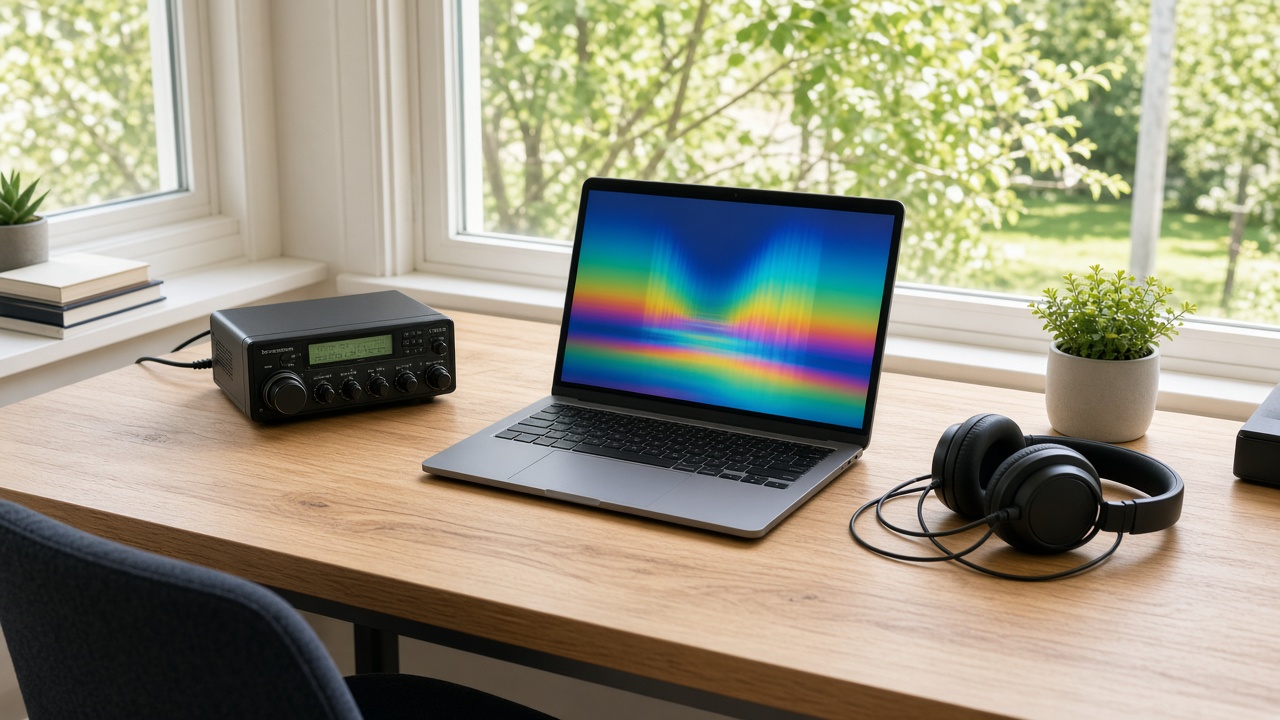
FT8 and PSK31
FT8 decoding is how a computer reads a call sign buried in the noise on HF. PSK31 is the slower keyboard chat that shares those same HF bands.
Getting Started
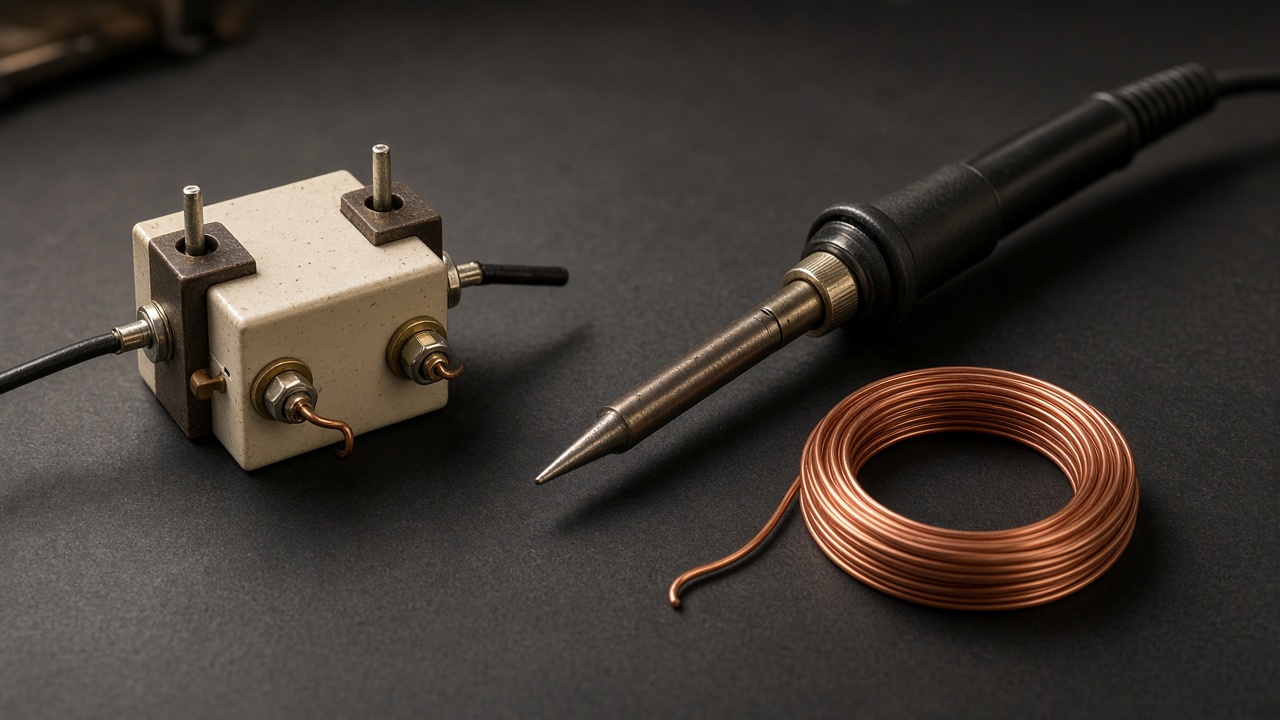
DIY Ham Radio
DIY ham radio is how you learn the hobby with a soldering iron: a dipole, a code oscillator, a power pack, and a sound-card interface you build yourself.
Equipment
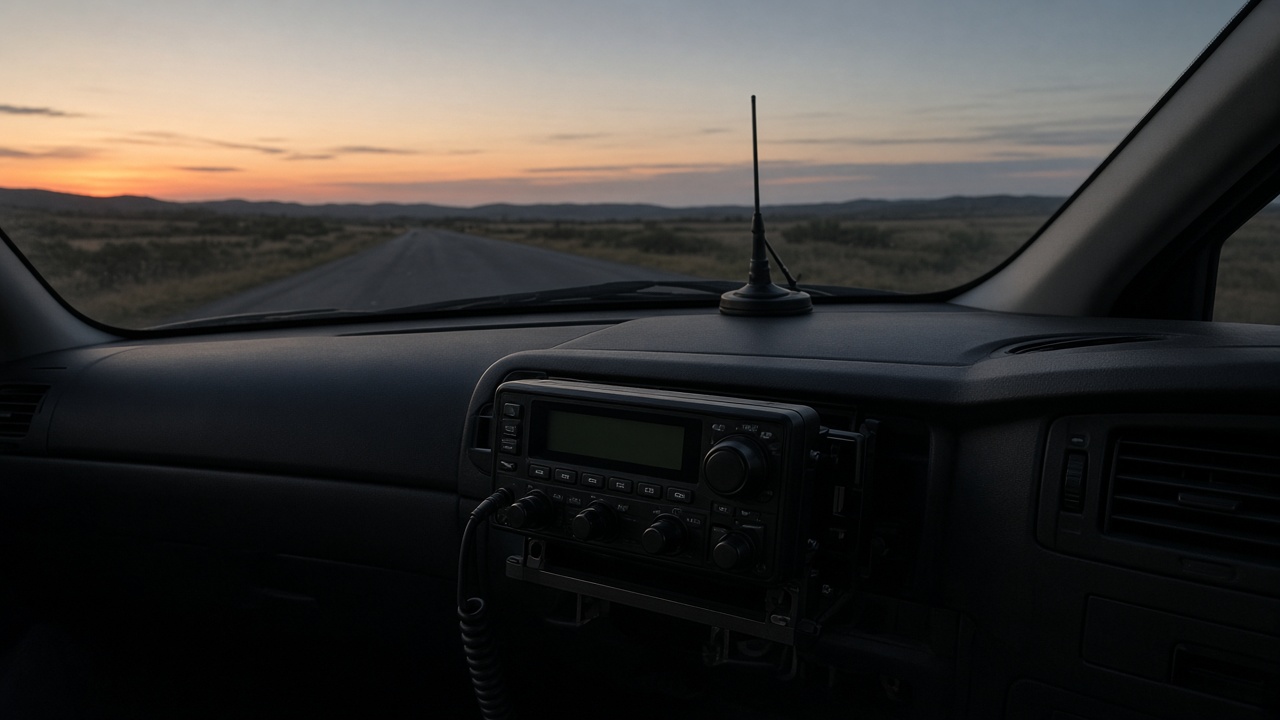
Mobile Ham Radio
A mobile ham radio install is the mount, a fused lead to the battery, and an antenna on the vehicle body. Do that well and the radio is the easy part.
Equipment
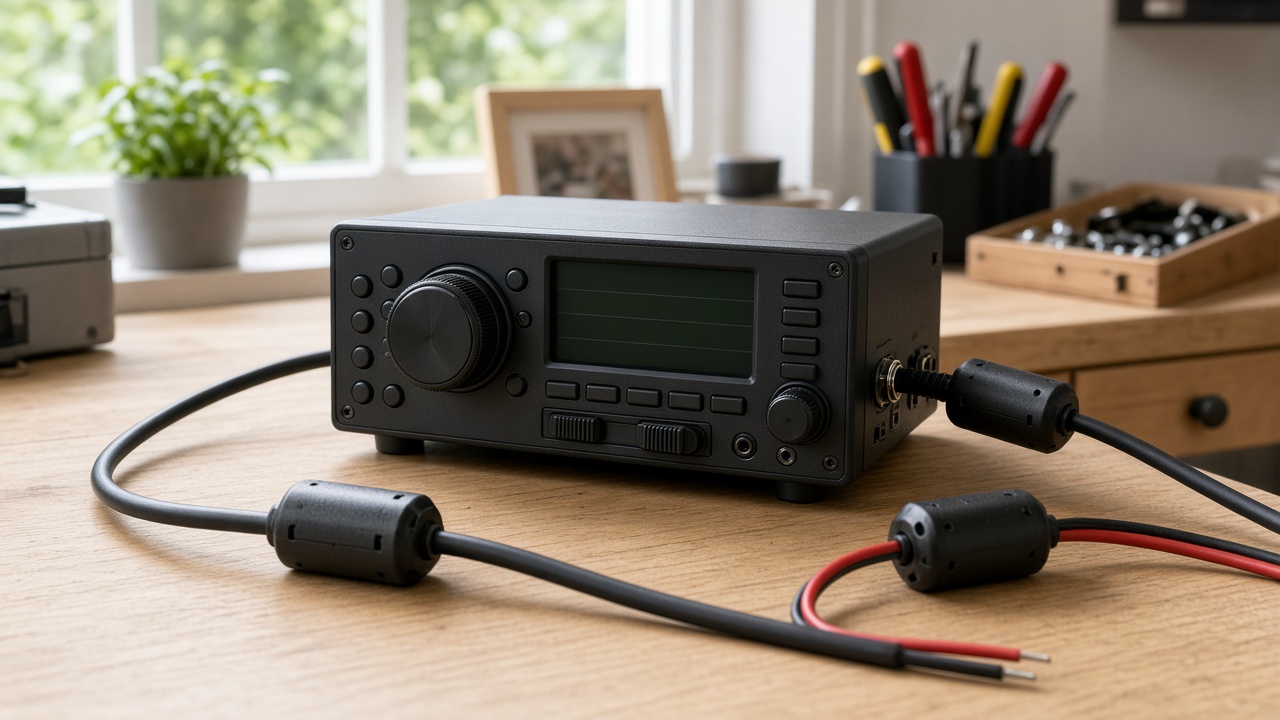
Reduce RFI in the Ham Shack
You reduce RFI by finding the noisy device and blocking the path into the radio. Distance, ferrites, and a quiet power source solve most shack noise.
Antennas
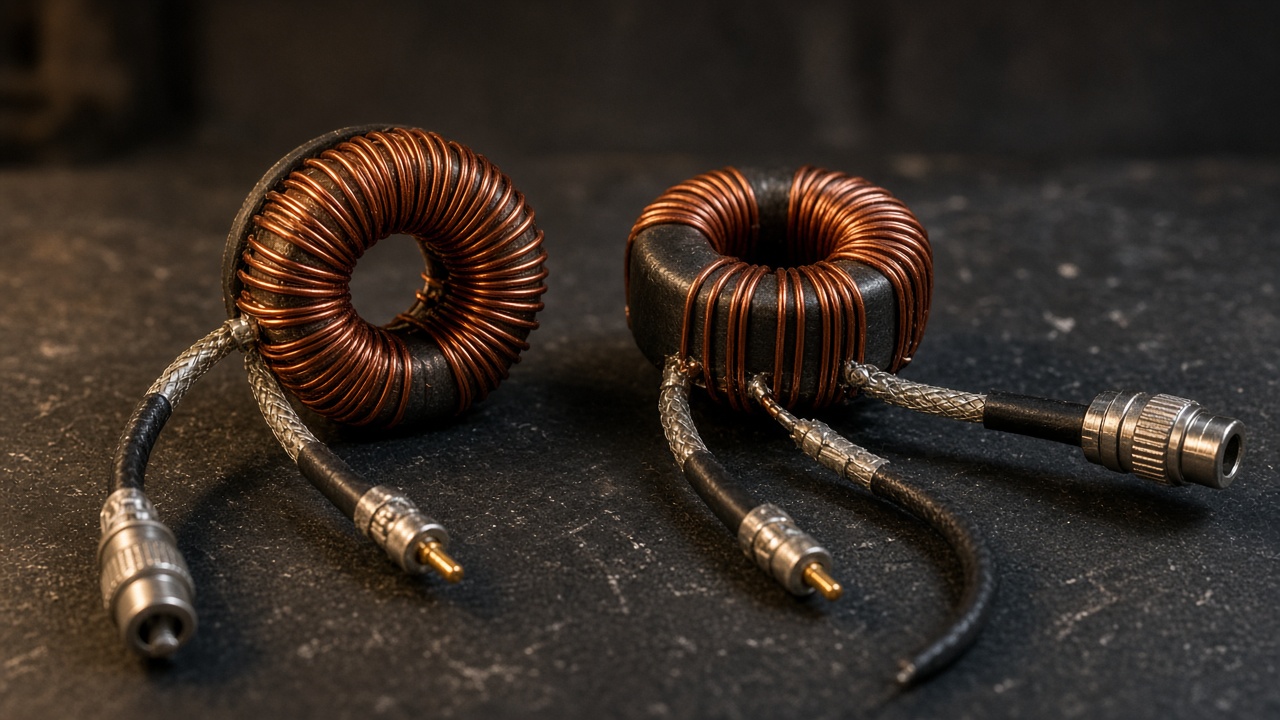
Unun vs Balun
The unun vs balun choice depends on the antenna and the feed line. One joins a balanced antenna to coax. The other matches two unbalanced sides.
Antennas
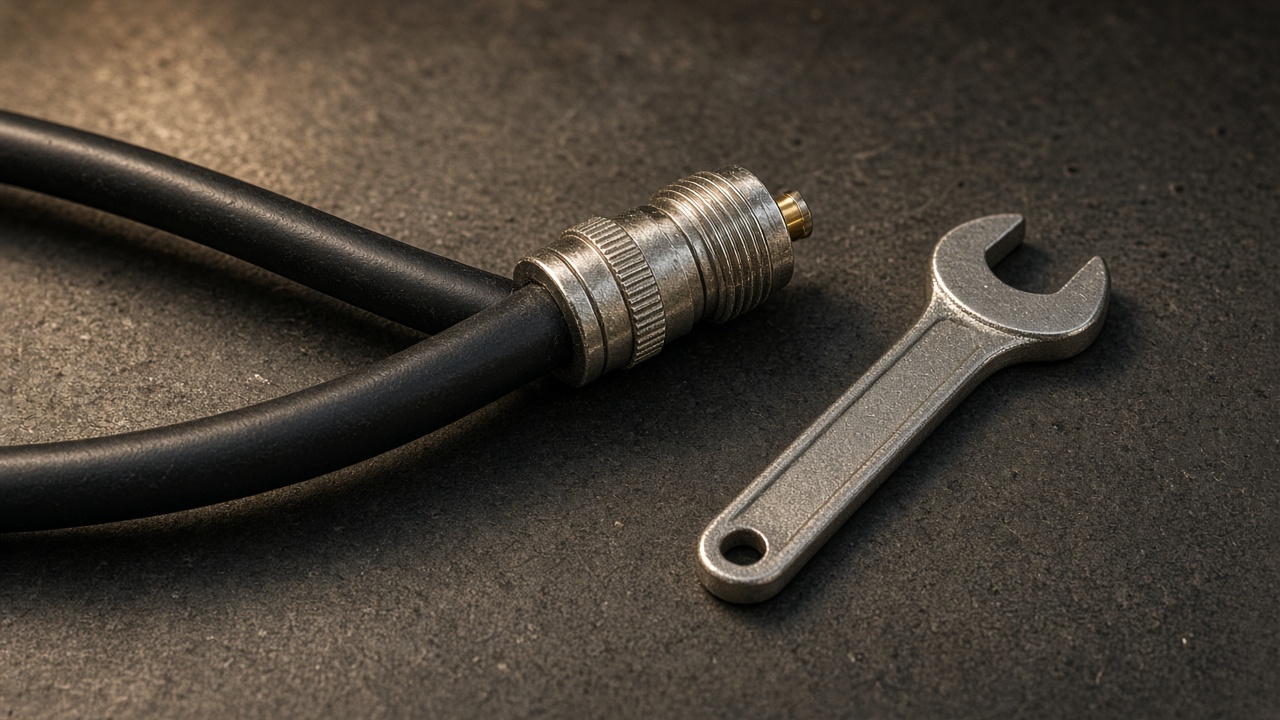
Coaxial Cable Installation
Coaxial cable installation decides how much of your power reaches the antenna. Use 50-ohm cable, fitted connectors, and a run that stays dry and unkinked.
Equipment
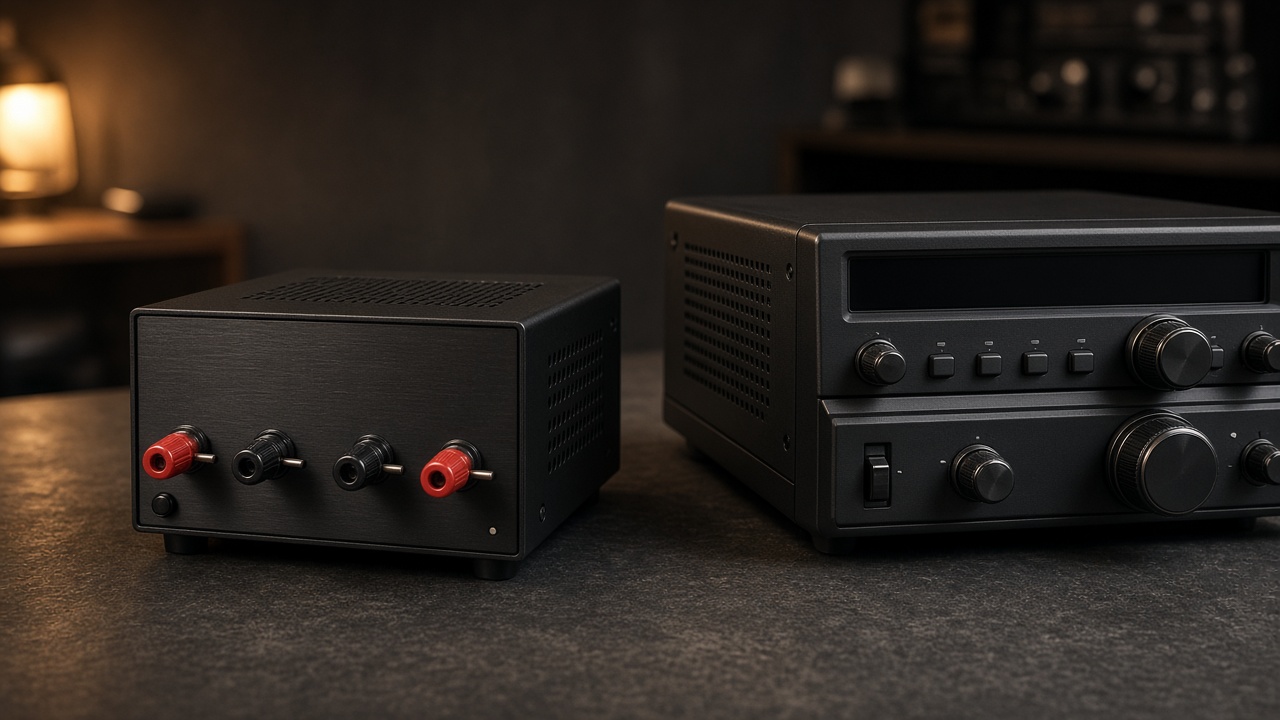
Ham Radio Power Supply
A ham radio power supply has to hold about 13.8 volts at the current your radio draws on transmit. Size it for that load, and pick one that stays quiet.
Getting Started
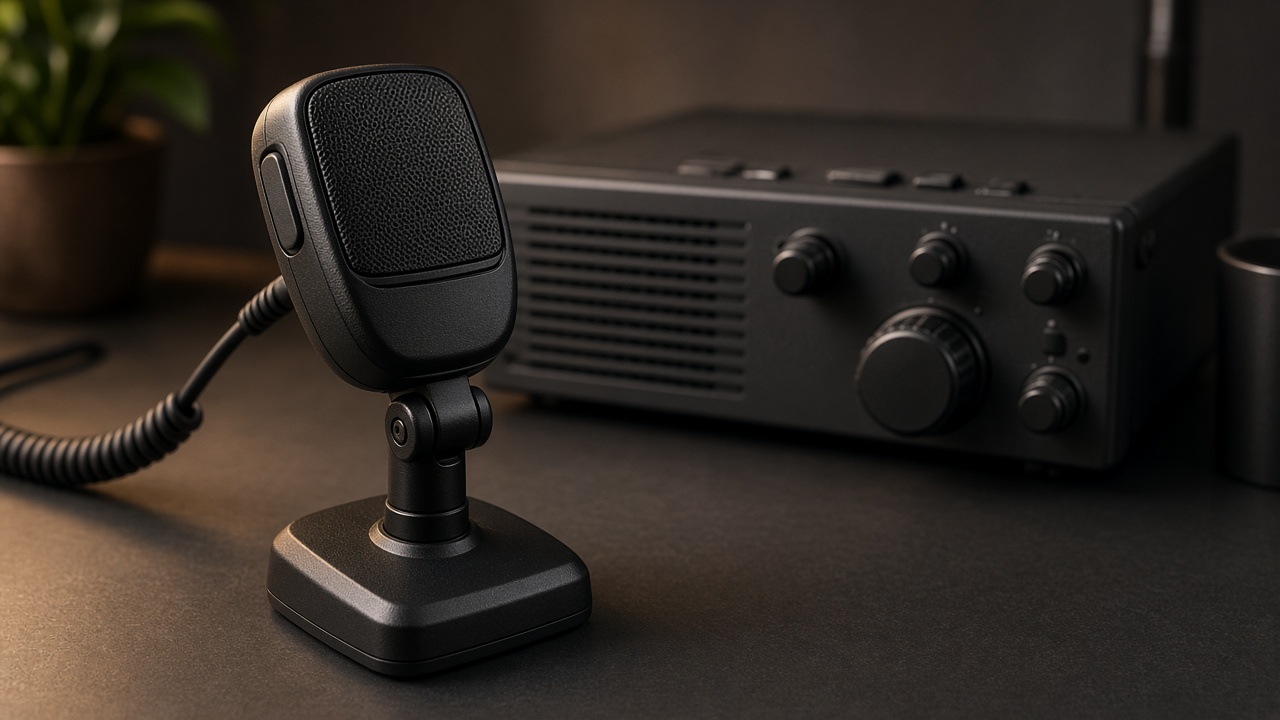
Ham Radio Etiquette
Ham radio etiquette is simple: listen first, give your call sign, and leave room for the other station. The bands work better when everyone does it.
Digital Modes
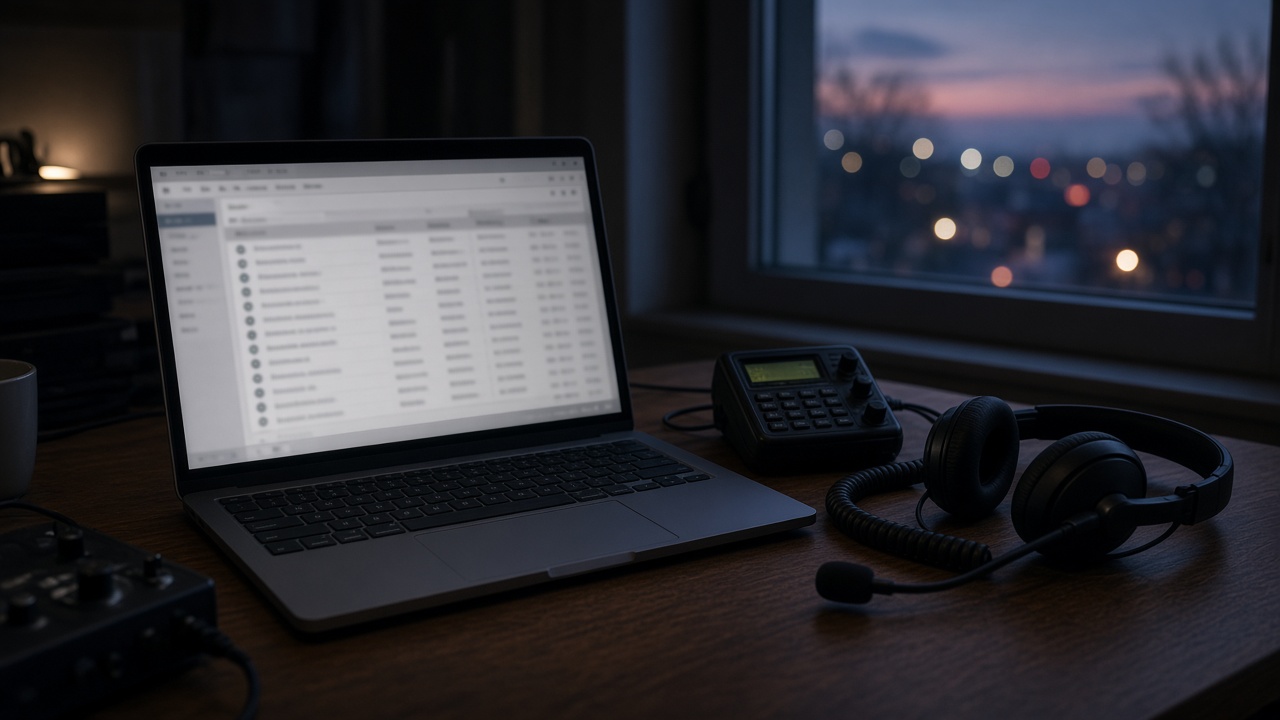
EchoLink
EchoLink lets a licensed ham talk through a distant repeater or another station over the internet. You validate your license, then you connect.
Getting Started
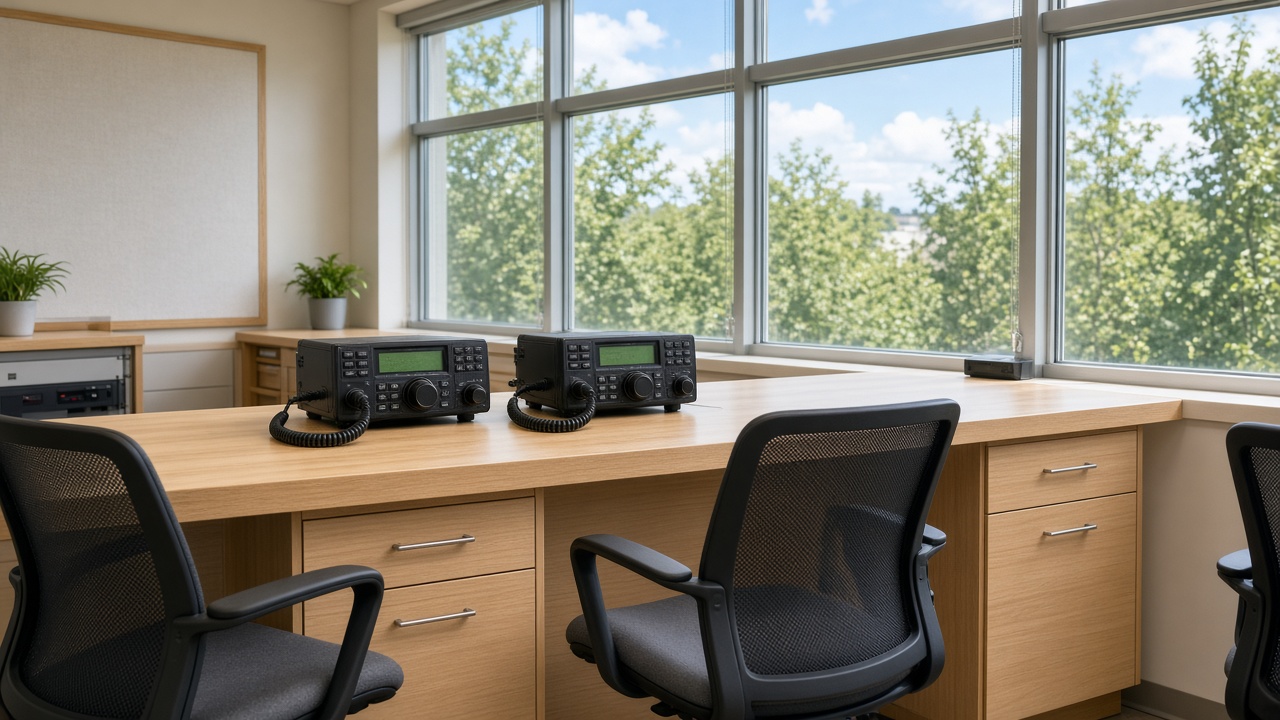
Ham Radio Club
A ham radio club is the fastest way to find a mentor, a station, and someone to explain the radio you just bought. Most clubs are glad you walked in.
Equipment
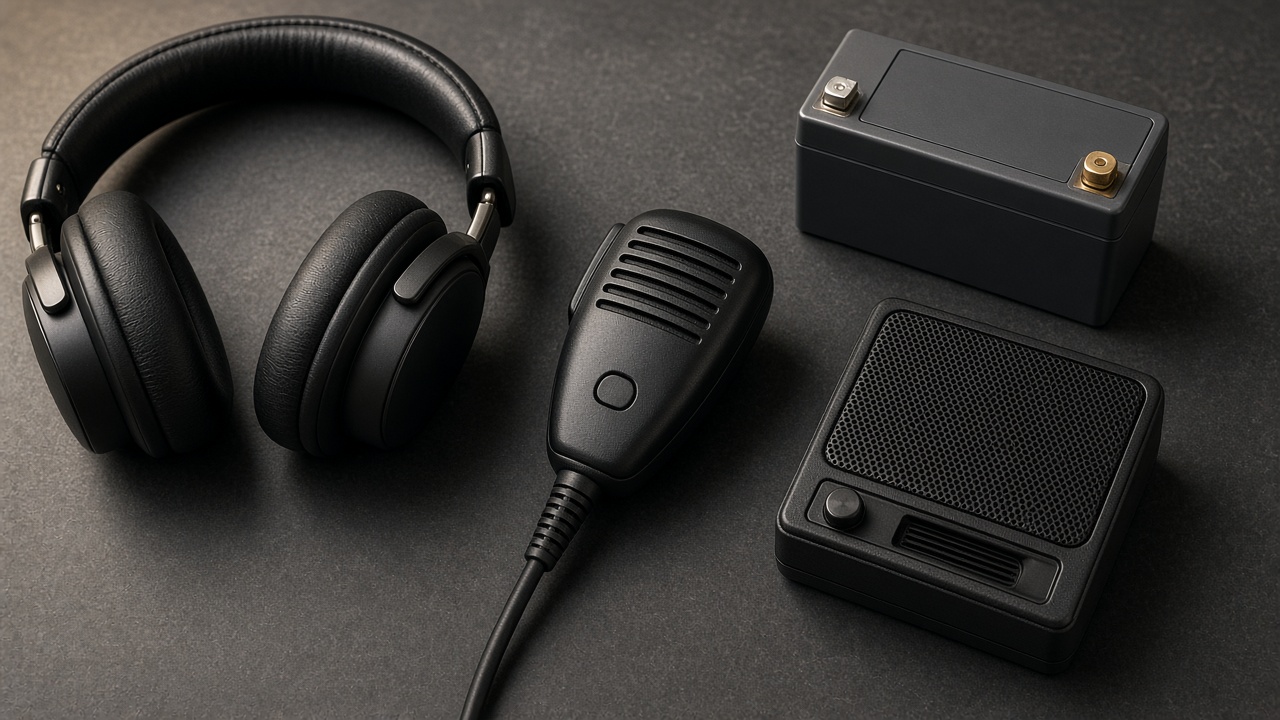
Ham Radio Accessories
Ham radio accessories that earn their place are a tuner, an SWR meter, a clear mic, steady power, and a log. The radio and antenna still come first.
Getting Started
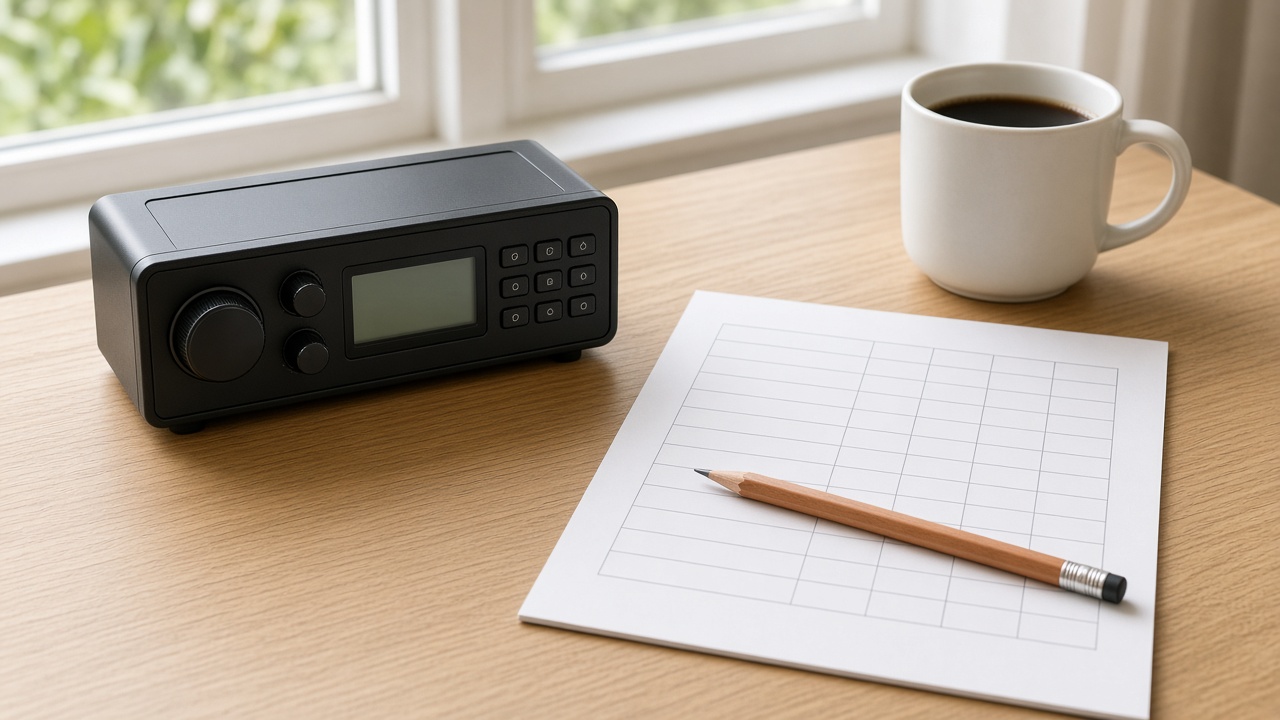
Your First Ham Radio Contest
A ham radio contest is a timed hunt for contacts, with a short exchange and a log that has to be right. Your first one should be small and fun.
Digital Modes
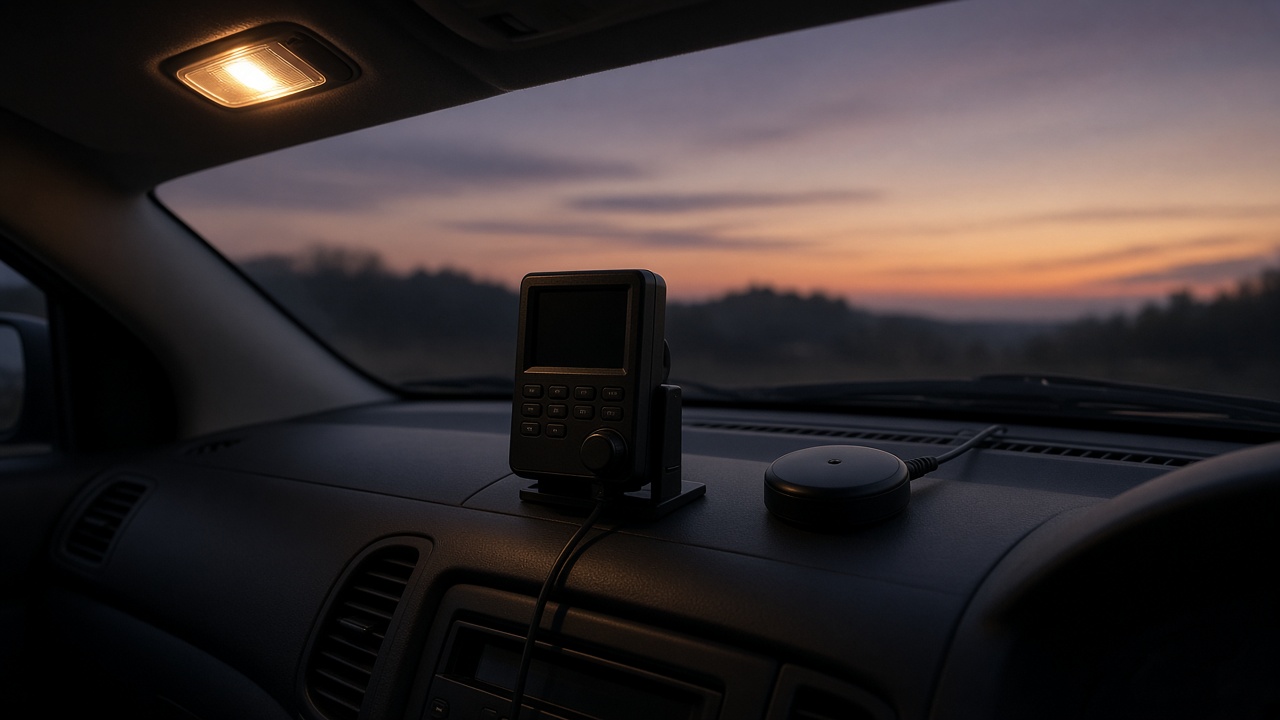
APRS
APRS is the packet system hams use to send a position, a weather report, or a short message on a shared VHF channel. Here is how to get on it.
Digital Modes
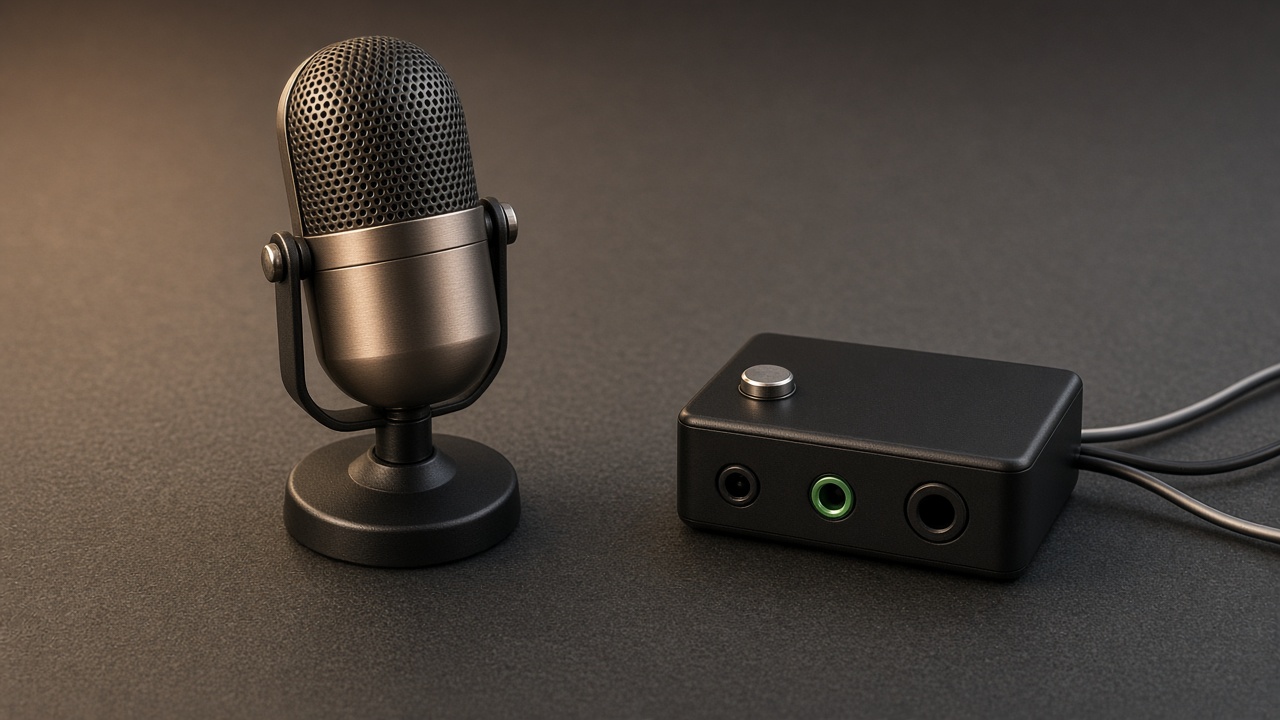
Digital vs Analog Ham Radio
Digital vs analog ham radio is a choice between a signal that fades into noise and one that stays clean until it drops. Both still belong on the air.
Equipment
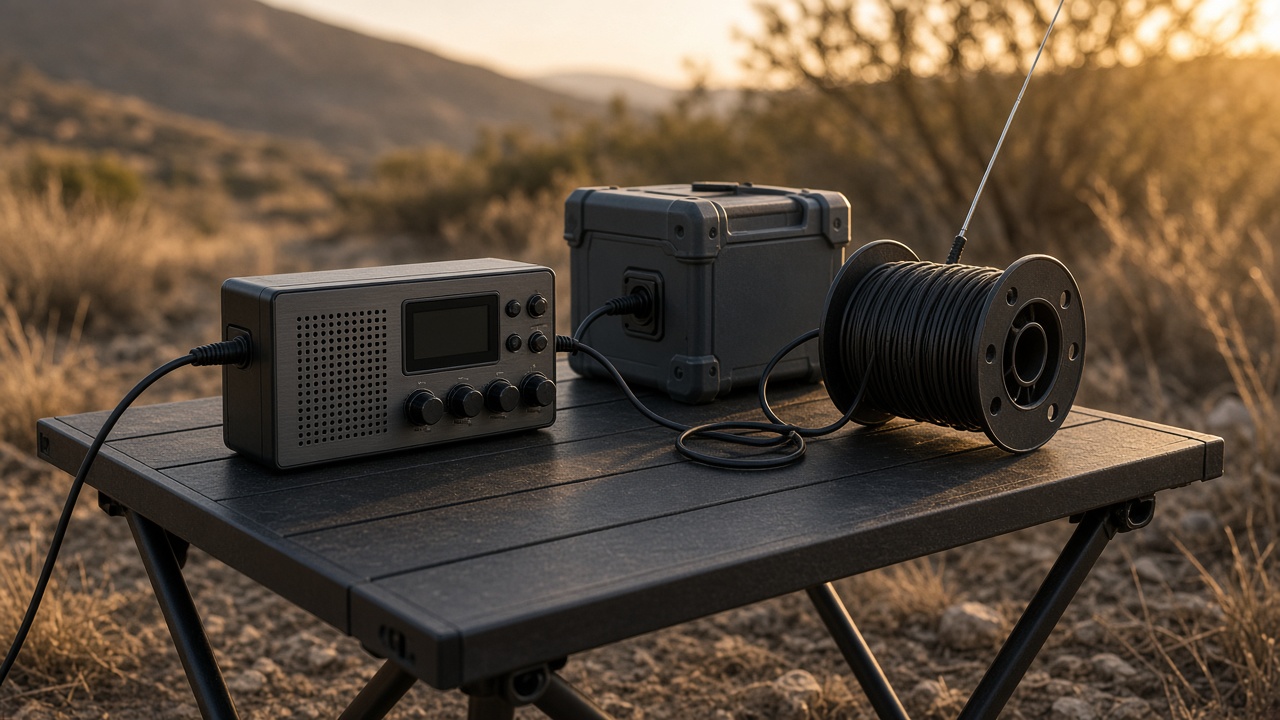
Portable Ham Radio Setup
A portable ham radio setup is a radio, a battery, and an antenna you can raise yourself. Pack light, try it at home, and leave the extra gear behind.
Digital Modes
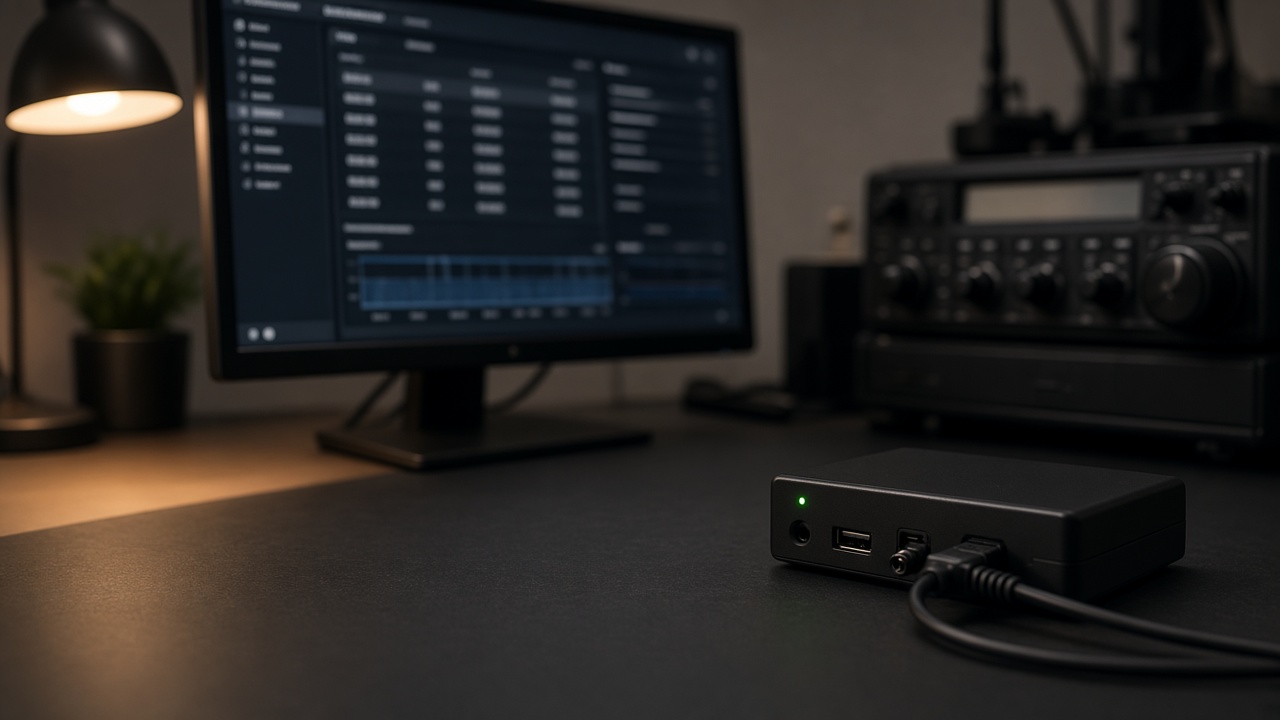
Best Ham Radio Software
The best ham radio software is the program that matches the job, from weak-signal contacts to logging and antenna models. Here is the short list that matters.
Digital Modes
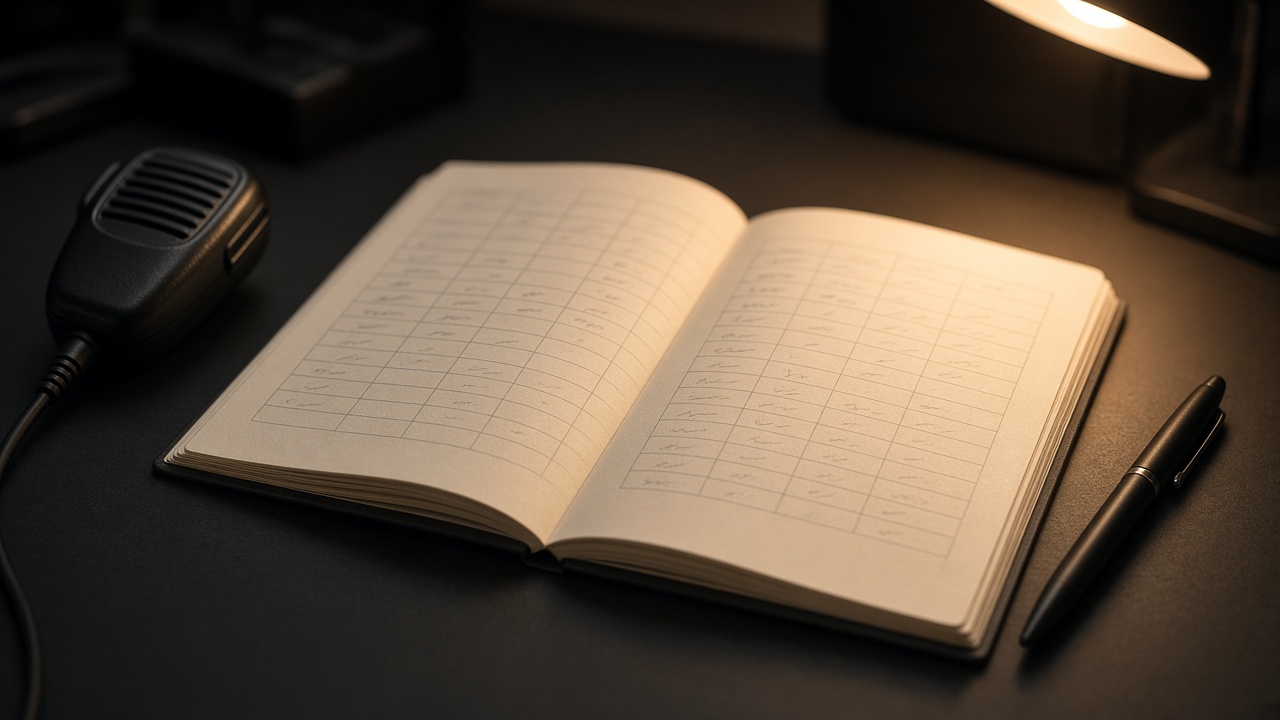
QSO Log
A QSO log is the record of who you talked to, on what band, and when. Paper still works. A computer log makes awards and contests much easier.
Equipment
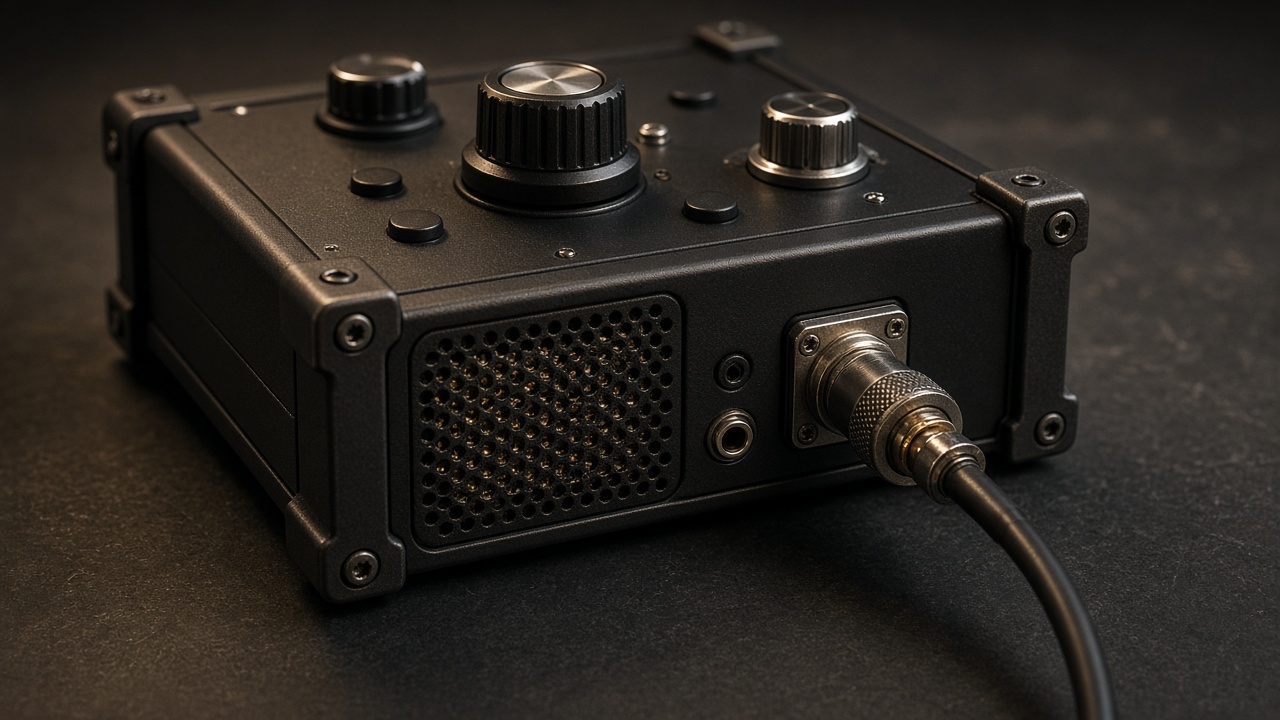
Ham Radio Signal Problems
A ham radio signal problem usually starts in the antenna, the coax, or a noisy device nearby. Check SWR and the connectors before you blame the radio.
Equipment
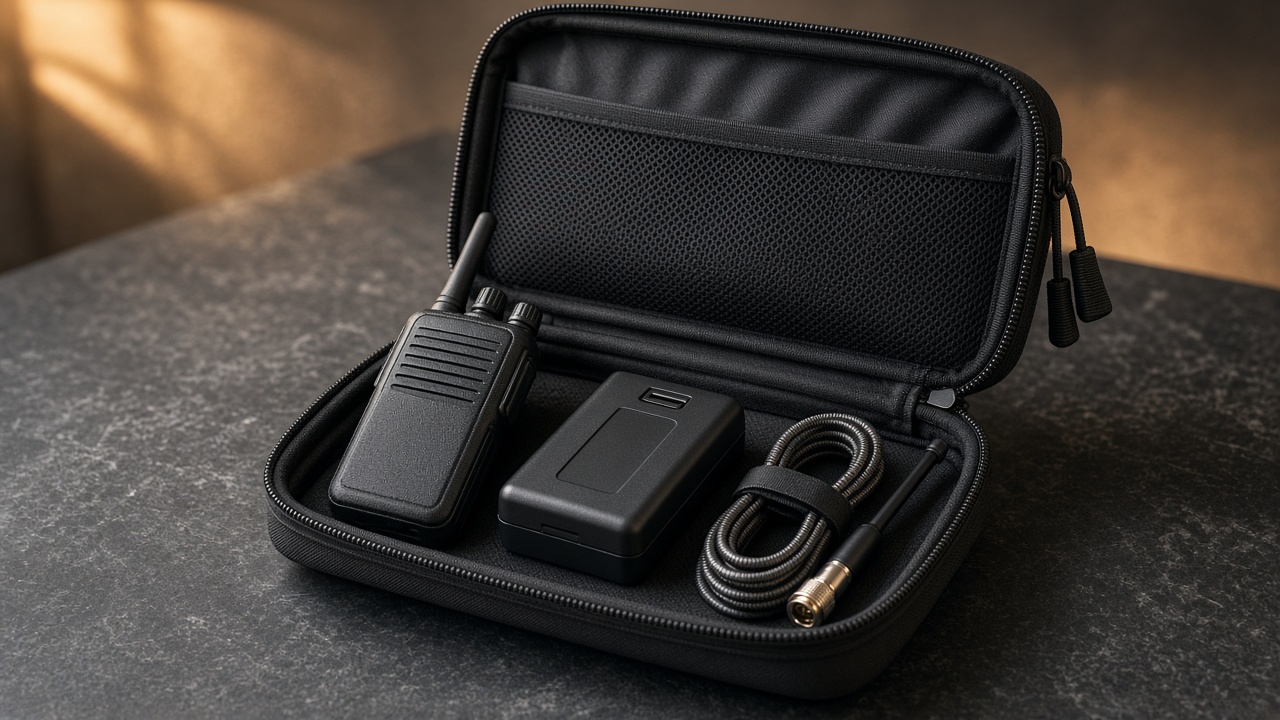
Ham Radio Go Kit
A ham radio go kit is the bag you can grab and operate from without a second trip. Radio, power, a quick antenna, and a test run before you need it.
Frequencies
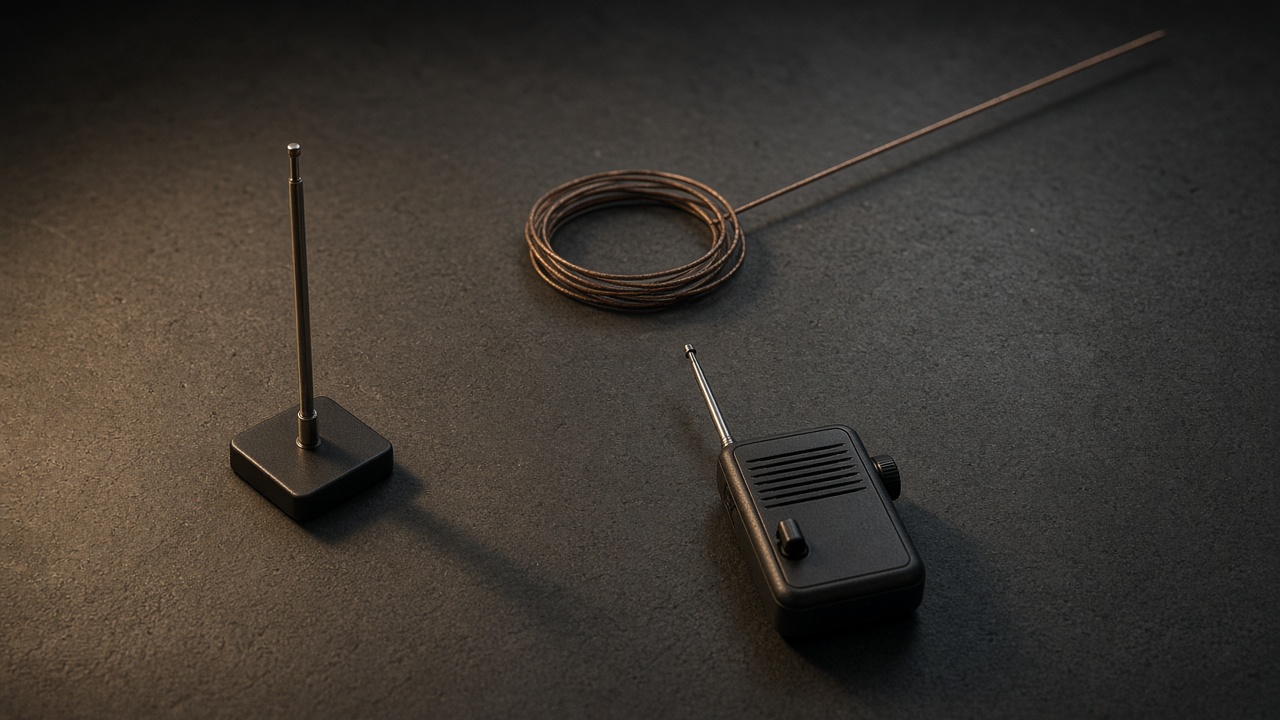
HF, VHF, and UHF
HF, VHF, UHF each behave differently on the air. HF can reach far past the horizon, while VHF and UHF stay the local bands most hams use every day.

Repeaters
Ham Radio Repeaters
Ham radio repeaters listen on one frequency and talk on another, from a high site, so a small radio can cover a whole town. Here is how to use one.

Licensing
Technician to General
The step from Technician to General is one more exam and a much wider set of HF privileges. Here is what the test covers and what you can do after.
Antennas
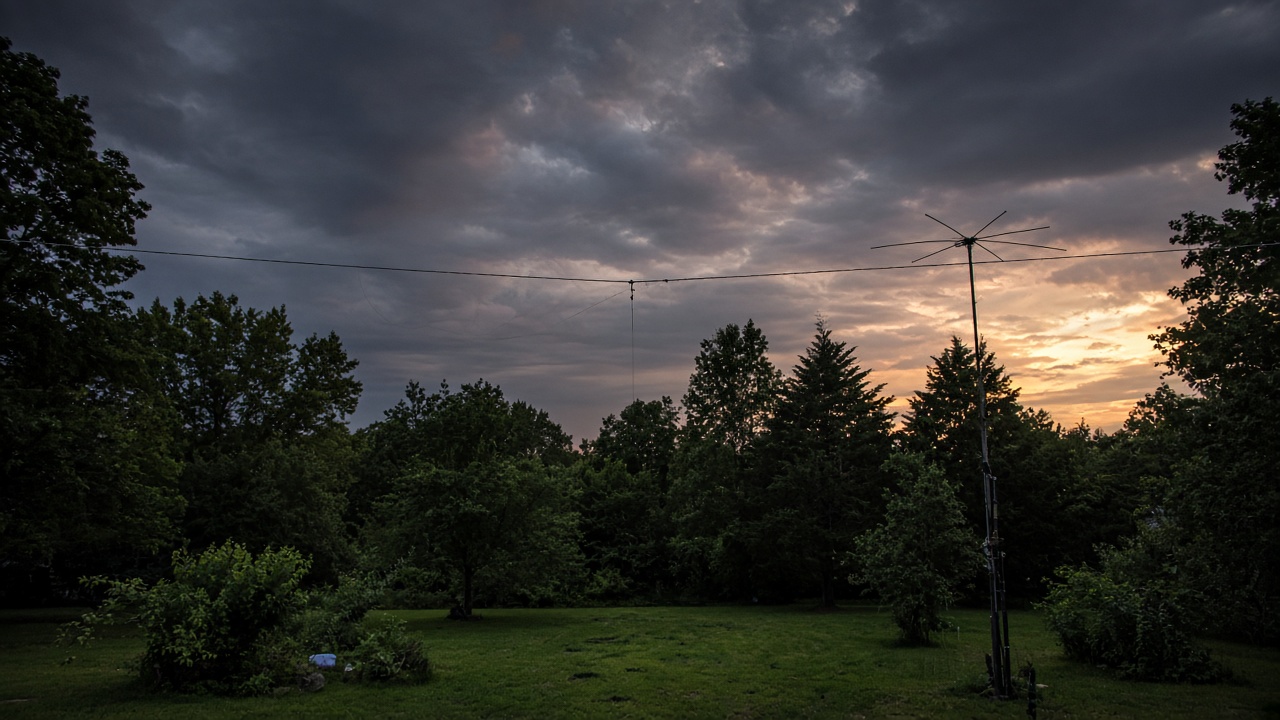
Best Ham Radio Antennas
The best ham radio antennas are the ones that fit your bands and your space. A clear dipole or vertical beats a fancy design you cannot put up.