Coaxial cable installation is the quiet job that decides whether the antenna you hung actually gets power. The radio can be fine. A crushed, wet, or badly fitted run will still make the station sound tired.
Coax is a center conductor, a dielectric, a shield, and a jacket. The RF rides between the center and the inside of the shield. The outside of the shield should stay quiet. That happens when you treat the cable as part of the station.
Do the run once, with the right cable and real connectors.
Use 50-Ohm Cable
Ham radios are built for 50-ohm coax. RG-58 is the thin, flexible one. It is a good short jumper and a tolerable short VHF run. It is a poor long feed line, and it gets worse as the frequency goes up.
Thicker 50-ohm cable, the RG-8 and RG-213 family and similar low-loss cables, belongs on long runs and on UHF. It fights you when you bend it. That trade is worth it when the antenna is far from the radio.
RG-59 and RG-6 are 75-ohm cables from television. A short piece can get you through a test. They are the wrong feed line for a 50-ohm station.
Loss grows with length and with frequency. A long, thin cable on 70 centimeters can waste more power than a modest antenna problem will. You do not need a memorized chart to act on that.
Connectors
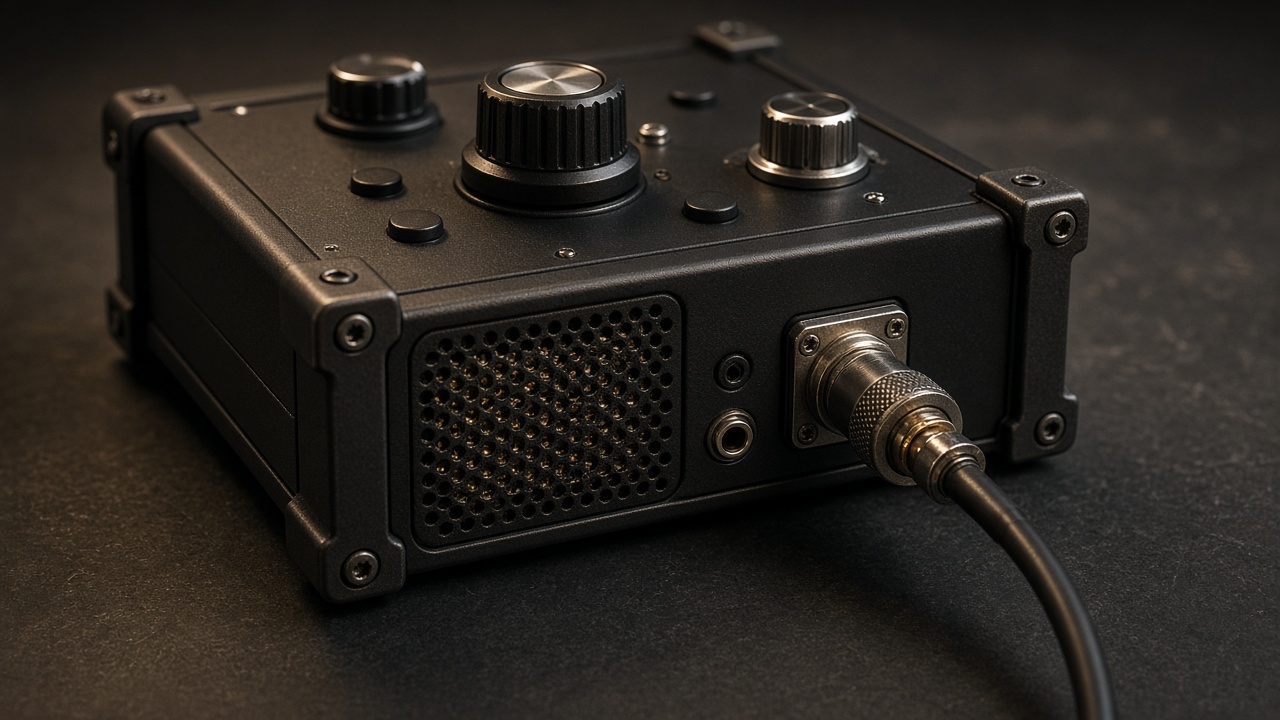
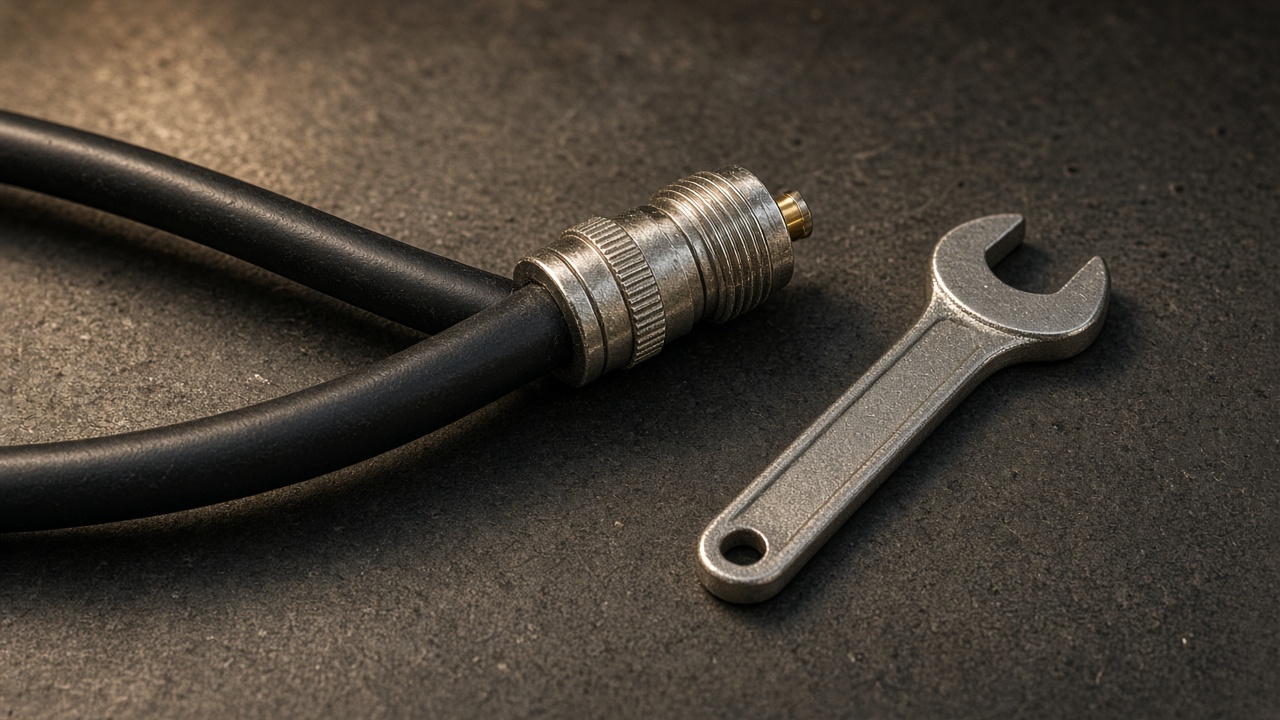
HF radios usually take a PL-259. Many VHF and UHF jacks want a BNC or an N connector. Match the connector to the radio and to the antenna. Keep adapters on the bench.
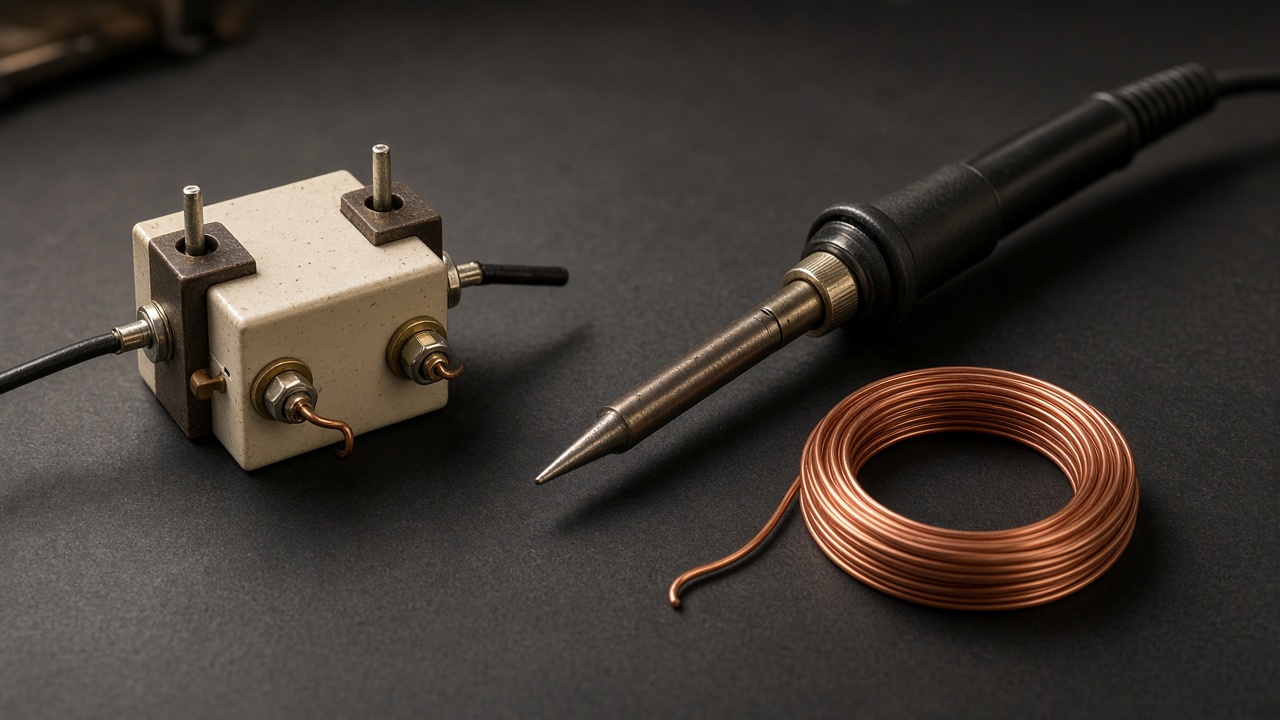
You want a stripper or a sharp knife and a steady hand, cutters, and either a crimp tool or a soldering iron, depending on the connector. Add tape or heat-shrink, and clips so the cable is not hanging from the joint.
Strip to the length that connector expects. A nicked center pin or a braid that never touches the body will fail, even when the shell feels tight.
Run the Cable
Plan the path before you drill. Short and gentle beats a tour through the heating duct. Keep the coax away from power wiring. Do not kink it, and do not crush it in a window or a door.
Leave a drip loop ahead of the entry so water drips off instead of following the jacket inside. Support the run. Outdoors, seal the connector. The jacket handles weather. The threads do not.
If this cable is also the way energy can enter the building, bond the entry. Ham radio grounding is that job. The antenna on the far end only works if this run is honest, which is why Best Ham Radio Antennas and the cable belong in the same afternoon.
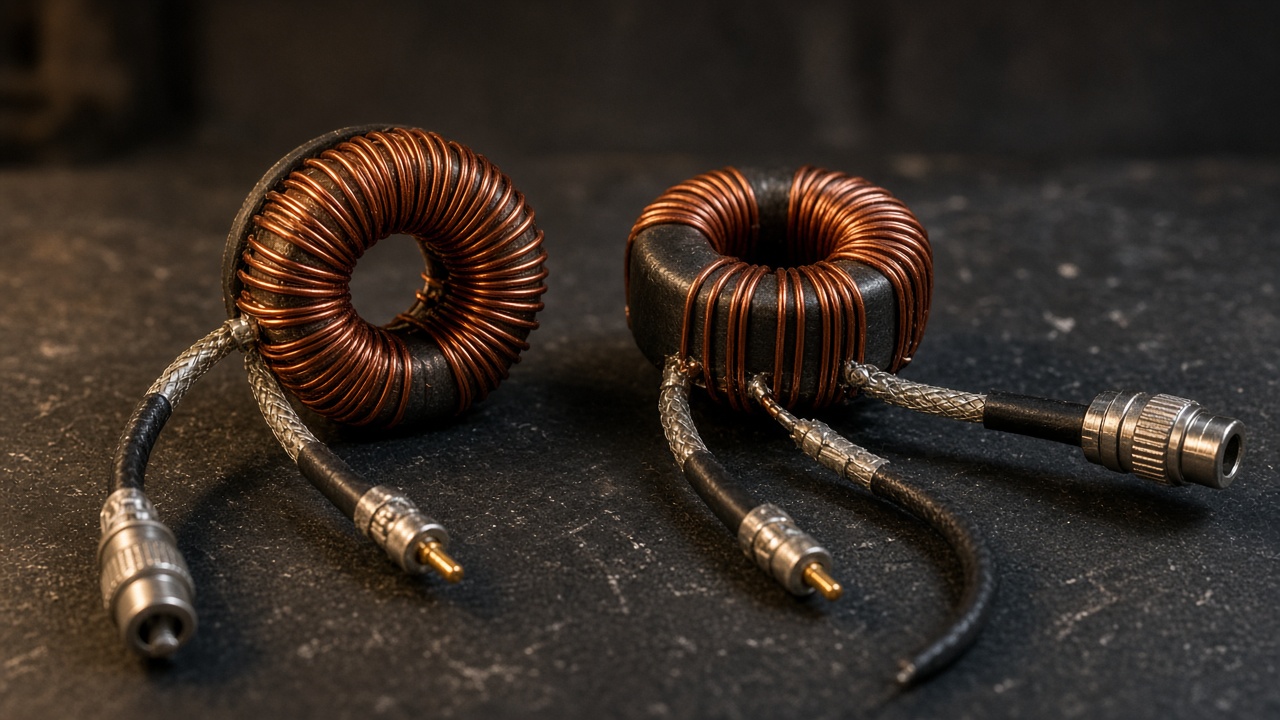
A balun or unun at the feed point is the next part on that same cable when the antenna is a dipole or an end-fed wire. Which box to use is Unun vs Balun.
Check the Run
A multimeter catches a short or an open center before you transmit. Then read SWR at low power with the radio’s meter or a meter in the line. A terrible reading means you stop and look.
Wiggle the connectors while you watch. If the needle moves, the joint is bad. Water, a stray braid hair, or a cold solder joint are the usual finds. If the SWR is calm and the station still sounds wrong, continue with Ham Radio Signal Problems.
Label both ends. The next time you have two cables on the floor, you will want the label.
Frequently Asked Questions
Which coaxial cable should I use for a ham radio?
Use 50-ohm cable. RG-58 is fine for a short jumper or a short VHF run, and a thicker cable in the RG-8 or RG-213 family belongs on long runs and at UHF, where thin cable wastes more power. RG-6 and RG-59 are 75-ohm cables, so leave them for television.
What connector goes on the radio?
Most HF radios take a PL-259, and many VHF and UHF radios take a BNC or an N connector. Match the connector to the jack on the radio and on the antenna. Adapters are fine on the test bench, while a permanent outdoor joint wants the right connector, sealed against water.
How do I keep water out of the coax?
Leave a drip loop before the cable enters the building so water runs off instead of into the hole. Seal the outdoor connector with tape or heat-shrink made for that job. Support the run so the connector is not holding the cable's weight. Check the joint after a wet season, because water in the braid raises loss and ruins SWR.
How do I test a new coax run?
Use a multimeter first and confirm the center conductor is continuous end to end and not shorted to the shield. Then key the radio at low power into the antenna, or into a dummy load, and read the SWR. Wiggle each connector while you watch, and redo any joint that moves the meter before you raise the power.