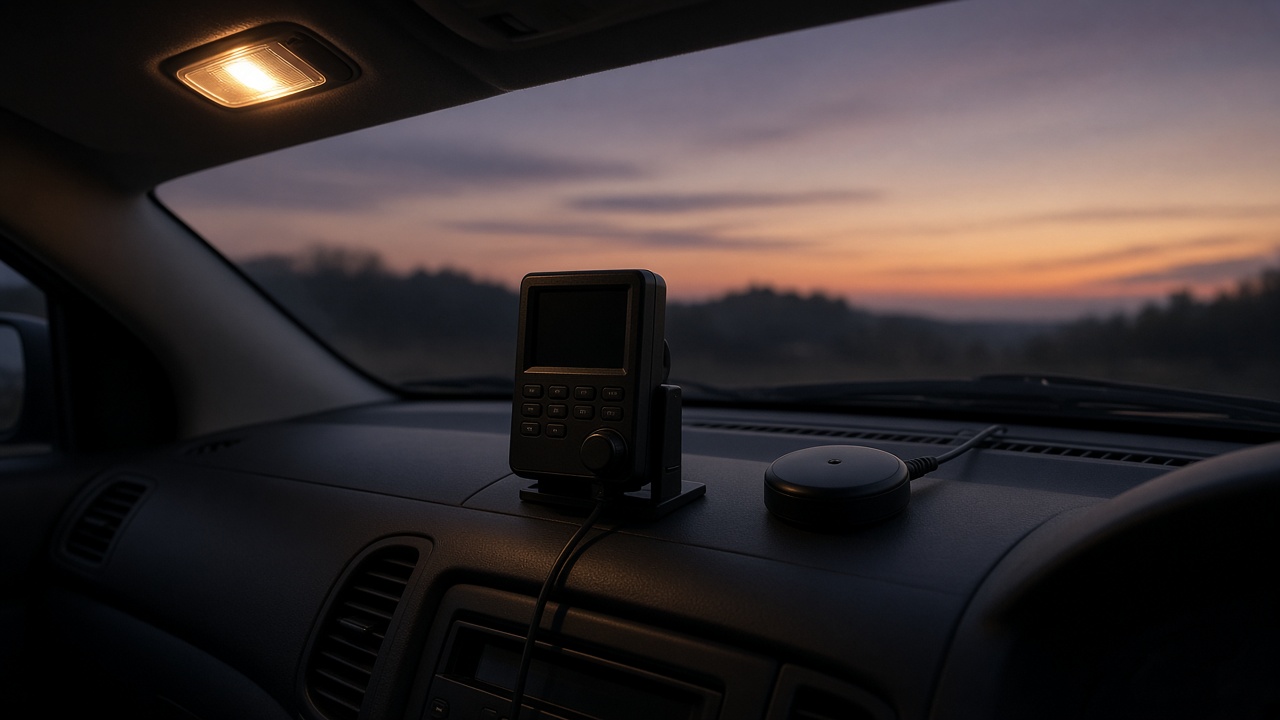
APRS is how a ham station sends a fact over the radio instead of a voice. The fact might be where you are, what the weather station just measured, or a one-line message.
Bob Bruninga, WB4APR, built the Automatic Packet Reporting System in the late 1980s while he was at the U.S. Naval Academy. The idea was a shared channel that mobiles, home stations, and digipeaters could all use. It is still that.
You do not hold a ragchew on it. You beacon, you listen, and you keep your packets small so the rest of the town can get through.
What a Packet Can Carry
A position beacon is the common one. A GPS, or a radio that already knows where it is, fills in the coordinates. A home weather station can send temperature, wind, and rain. Telemetry can be almost any number you can measure, if you format it the way the network expects.
Text messages are short on purpose. Think of a note, not a chat window. Everyone on the frequency can hear the packet. Do not put anything on it that you would mind the whole county reading.
Digipeaters listen and repeat. That is the local network. Your handheld does not have to reach the person you are trying to inform. It has to reach one digipeater that is already doing the job. Bob’s own site, aprs.org, is still the protocol reference when a menu item does not make sense.
Radio, TNC, and Antenna
In the United States the channel is 144.390 MHz. Confirm the frequency where you are. A few regions moved, and outside the country the channel is often different.
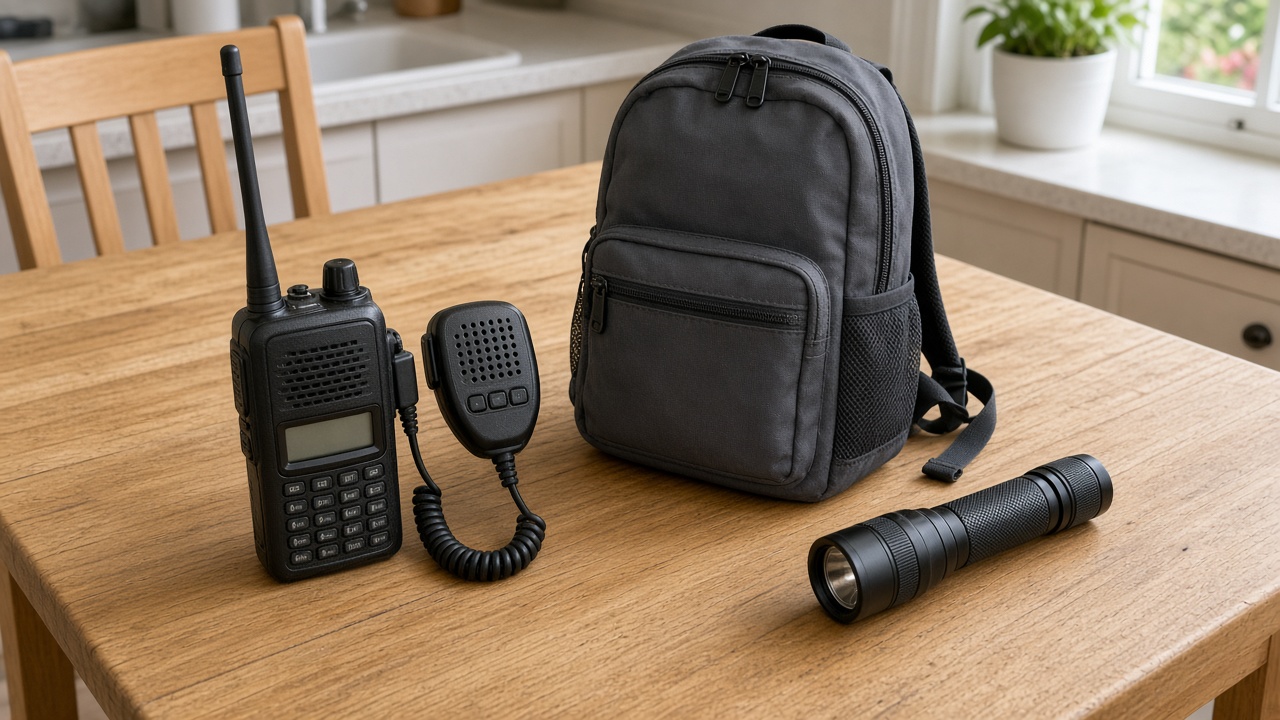
You need a VHF radio, a TNC, and an antenna. The TNC can be inside the radio. If it is not, it sits between the radio and a computer or a GPS. A GPS is only required if you want to send a position. A fixed station that never moves can beacon a comment and a status with no GPS at all.
A quarter-wave or half-wave vertical on VHF is plenty. Height and a clear view do more than a fancy antenna. The practical options are the same ones in best ham radio antennas. Put the antenna outside the vehicle if you can. A rubber duck on the floor of the car is why a lot of beacons never leave the driveway.
APRSISCE/32, YAAC, and PinPoint APRS are the client programs people use when the radio’s screen is too small. Maps, messages, and a look at who else is on the channel all live there. They belong with the other ham radio software, and they still need the radio to be on frequency.
Set the Beacon Up
Enter your call sign. The SSID is the dash number after it. A home station, a car, and a handheld should not all be -0 if they are different stations. The usual convention is a different SSID for each. Your client has a list. Use it.
A mobile starting path is WIDE1-1,WIDE2-1. The first hop fills in the local hole. The second hop goes wider. Stop there. A path with three or four wide hops lights up digipeaters you will never use and steps on cities you cannot hear.
Power should be enough to reach one digipeater and no more. If a local digipeater hears you, you are done. Turning the mobile up to full power because you can is how packets collide.
Listen before you beacon a fixed station hard. The channel is one frequency for the whole area. If it is already busy, beacon less, not more.
Timing and Manners
While you are driving, a beacon every few minutes is the usual start. Some people use two to five minutes. Faster than that and you are the station everyone else is waiting on. When you park, stretch the interval. A car in a driveway does not need a new position every time the clock ticks.
Smart beaconing, if your radio has it, sends more often when you turn and less often on a straight highway. Turn it on if you understand it. Leave it off if the menu is a guess.
Messages stay short. Status text stays short. A paragraph in the comment field is still a packet, and it still waits its turn on 144.390.
If you are putting APRS in a vehicle full time, build it like any other mobile ham radio install. Fused power, a real antenna mount, and a cable that is not pinched in the door.
What People Do With It
Public-service events use it to watch where the sag wagons and the lead bike are. Weather stations fill maps that local operators actually look at. A search team can see a last position when voice is busy.
That is also why it shows up in amateur radio emergency communication. A position and a one-line status travel well when the phone network is having a bad day. It is a helper, not a replacement for a voice net with a control station.
Your local ham radio club will know which digipeater is the good one, which path the area prefers, and whether 144.390 is the channel they still use. Ask before you copy a screenshot from another state.
Frequently Asked Questions
What frequency is APRS on?
In the United States, 144.390 MHz is the national channel. Other countries use a different frequency, so check the local band plan before you transmit. Everyone in range is on that one channel, which is why extra beacons hurt.
Do I need a separate TNC?
Something has to turn the radio audio into packets and back. That box is a terminal node controller. Many newer mobiles and handhelds have one built in. An older radio needs an external TNC or a computer doing the same job.
What path should I use from the car?
WIDE1-1,WIDE2-1 asks for one hop through a nearby fill-in digipeater and one hop through a wider one. That is enough for most mobile stations. Adding extra WIDE hops makes your packet occupy other people's channels.
Can I send a text message?
Yes. APRS messages are short, and they are public. Use them to coordinate, not to hold a long conversation. If the other station's client acknowledges, you know the packet made it.