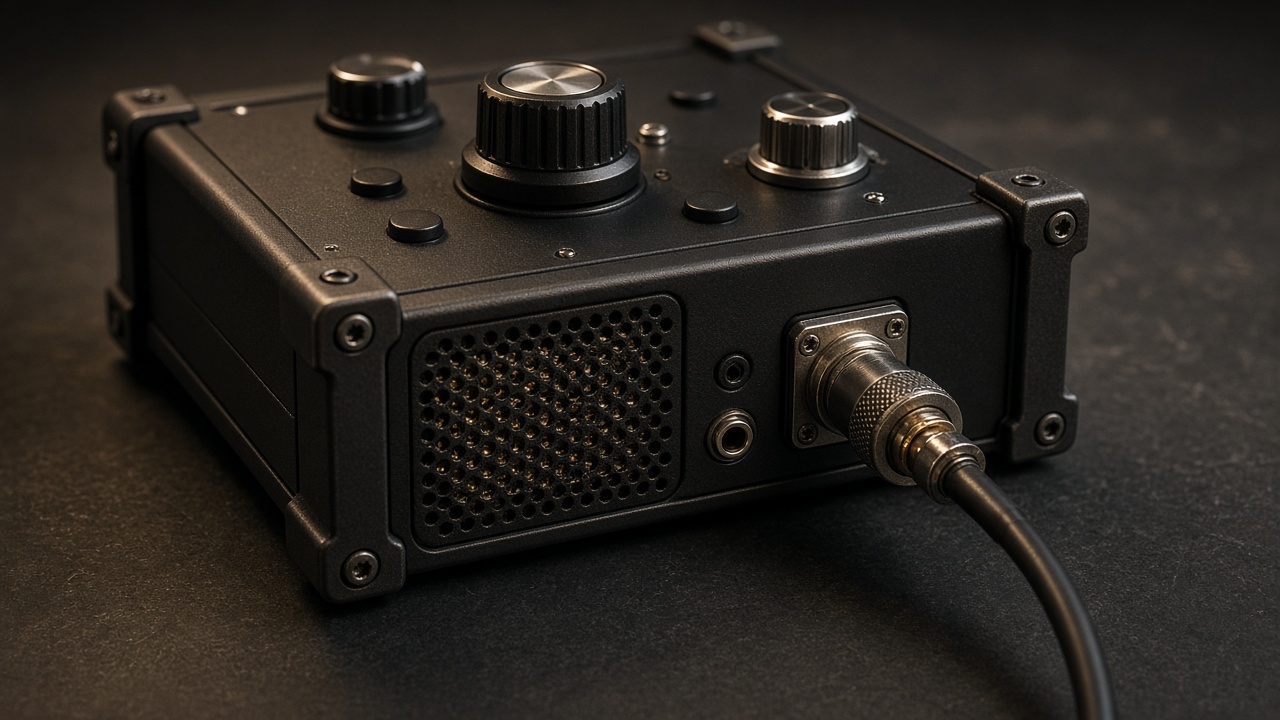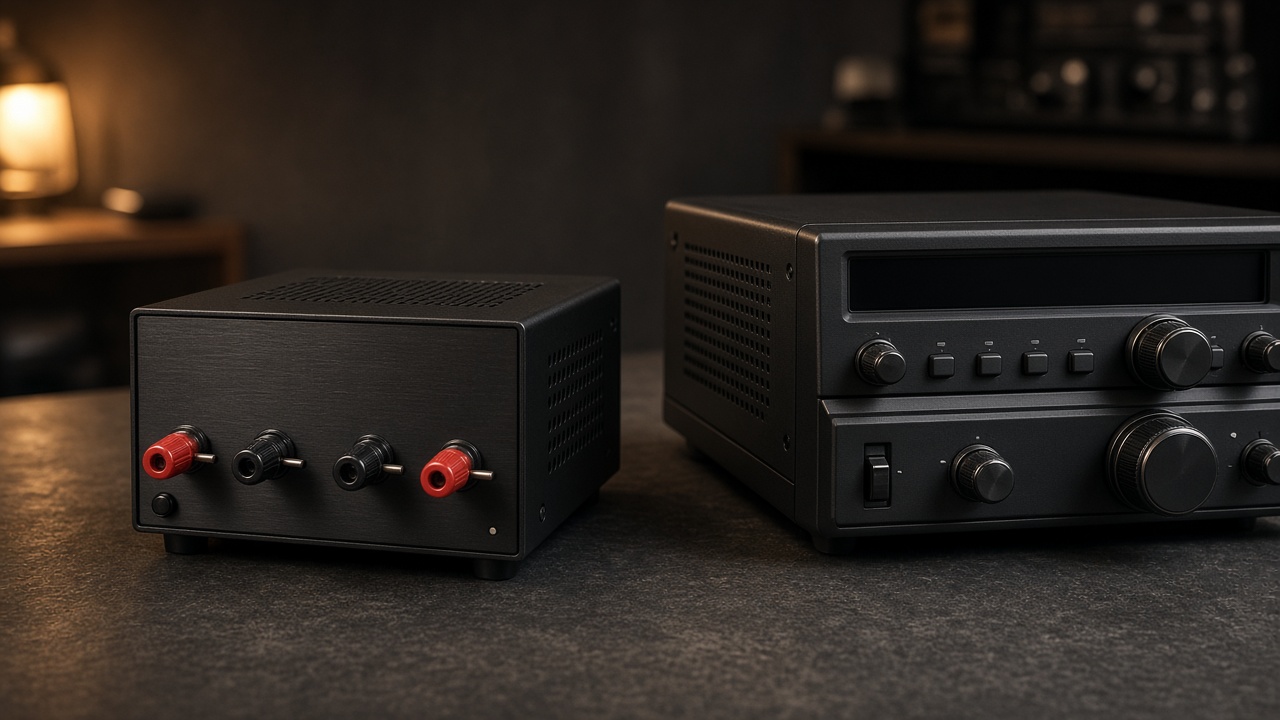
Ham radio accessories are the pieces that turn a working radio into a station you can stand to operate. The transceiver and the antenna come first. After that, a short list matters more than a drawer of gadgets.
You want a way to match a stubborn antenna, a way to measure that match, a microphone people can understand, power that stays put, and a log.
Buy the next piece when you feel the limit.
A Tuner
An antenna tuner cancels mismatch so the radio can deliver power into a wire that is not a tidy 50 ohms. It saves the finals from a wild load. It does not turn a random short wire into a dipole, and it does not stop a feed line from radiating.
A manual tuner shows you what a match looks like. An automatic tuner is faster when you change bands all evening. Some radios include a tuner that only handles a modest mismatch. Know which kind you have before you key a random wire.
On a dipole or an end-fed, the box at the feed point may matter more than the tuner on the desk. That box is an unun or a balun. Choosing the wire itself is Best Ham Radio Antennas.
An SWR Meter
SWR is the quick health check. A high reading means reflected power, heat in the radio, and a station that is not doing what you think. Watch it when you install something, after rain, and any time the number suddenly changes.
Many radios show SWR on the display. A meter in the coax is still useful when you want a second reading, or when the antenna under test is away from the shack. If the number looks wrong, the fault-finding steps are on Ham Radio Signal Problems.
A Microphone People Can Copy
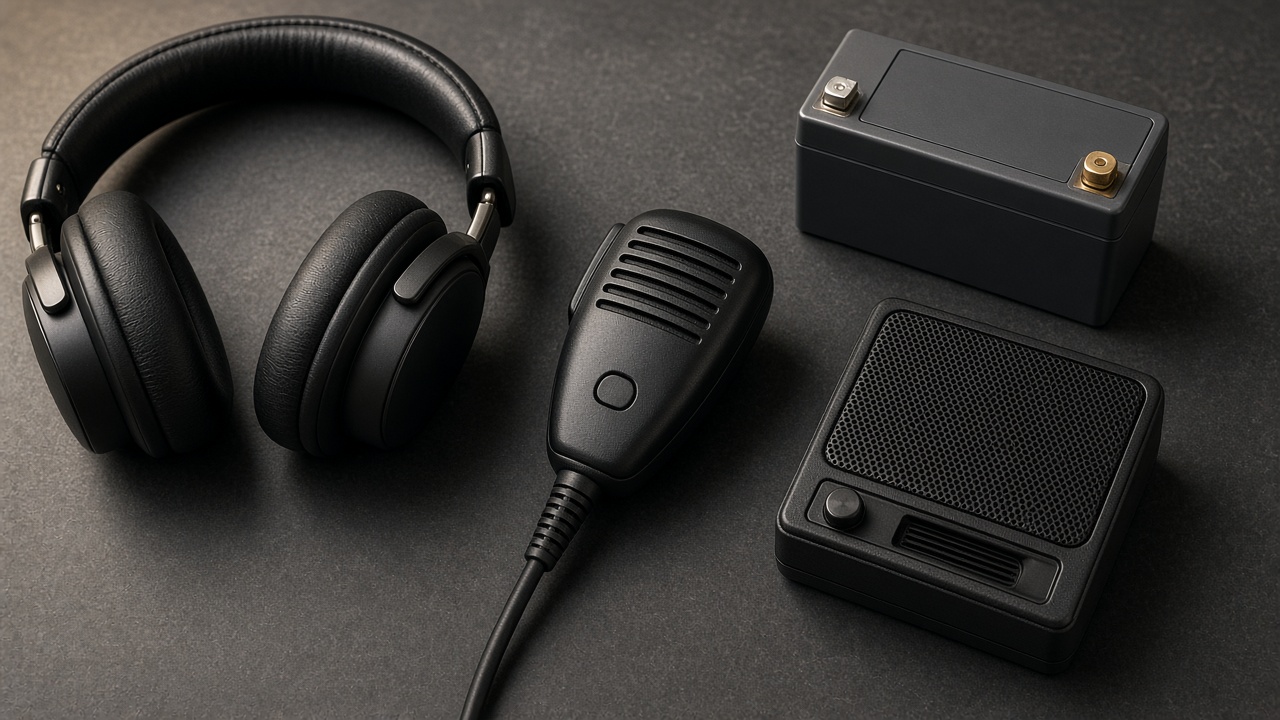
The included mic is enough to make contacts. Upgrade when stations keep asking you to repeat, or when a long session with a hand mic stops being fun.
A desk mic is the comfortable home choice. A headset is the right tool in a noisy room or a contest. Set the gain for clear speech. Distortion makes you harder to understand, which defeats the whole purchase.
Power and a Log
Most base radios expect about 13.8 volts DC. The supply has to furnish the transmit current with room left over, and it should stay quiet on HF. Linear supplies are heavy and electrically quiet. Switching supplies are smaller, and the good ones are quiet enough to live next to a receiver. Choosing one is the ham radio power supply decision.
A bond and a sane surge path belong with that supply. Hash from the supply or from the wall is also how you end up trying to reduce RFI.
Write the contact down while the other station is still there. Paper counts. Software helps once you are chasing awards, contests, or a stack of digital contacts. A QSO log has to be easy to fill in on the air, or it will stay empty.
Frequently Asked Questions
Do I need an antenna tuner?
You need one when the antenna is not a comfortable match, and a non-resonant wire is the usual case. A dipole cut for one band, and used on that band, often needs no tuner. The tuner protects the radio from a wild impedance, without turning a short wire into a full-size antenna or stopping the coax from radiating.
Is the SWR meter in the radio enough?
It is enough for a quick look during normal operating. A meter you can put in the line is worth having when you are testing a new antenna, or when you do not trust the number on the display. Watch for a sudden change after rain or after you move a cable. That change is a reason to stop and inspect the feed line.
What microphone is worth buying?
The mic that came with the radio will make contacts, so move up when stations keep asking for repeats or a hand mic is a pain on long contacts. A desk mic is comfortable at home, and a headset helps in a noisy room. Set the gain so you are clear, because loud and distorted is harder to copy.
What else belongs on the desk?
A supply that holds about 13.8 volts at your transmit current, and a log you will actually fill in. Ferrites and a real station bond belong nearby once RF shows up in the computer or the speakers. Buy those when the station asks for them. A drawer of unused gadgets does not make the signal stronger.