A ham radio power supply turns wall power into the steady DC a radio expects. Choose it for voltage, for the current the radio draws while transmitting, and for how quiet it is on the bands you use.
Most modern base and mobile radios want about 13.8 volts DC. The surprise is the current. Receive is a sip. Transmit is the real load. Size the supply for transmit, and for every device on the same terminals at once.
Leave some capacity in reserve. A supply that is maxed out and hot on every transmission is the one that quits during a long net.
Add Up the Load
Look up the transmit current in each manual. Add the other radios, the tuner if it is powered from the same box, and anything else that will be on together. Digital modes and long FM transmissions hold that current. Voice peaks and then rests, so it is kinder. If you run both, buy for the harder one.
A supply that cannot hold voltage will make the radio fold back, distort, or reset. That looks like an RF problem. It is a power problem. Thick, short leads matter as much as the name on the box, because a thin wire sags under load too.
Linear or Switching
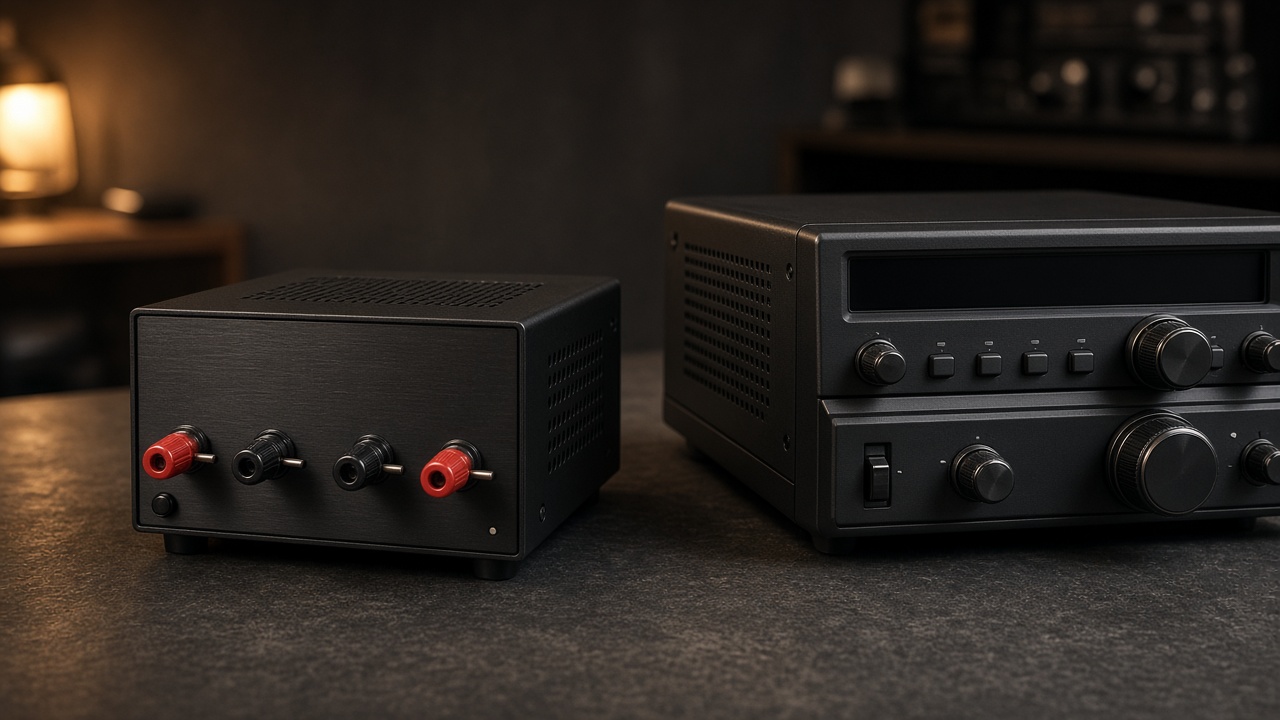
A linear supply uses a heavy transformer and a simple regulator. The DC is clean. The box is heavy, warm, and happier on a desk than in a backpack.
A switching supply rebuilds DC in a much smaller box. It runs cooler and travels easier. A careless one throws birdies and hash across HF. A careful one is filtered and does not. Listen to it on your receiver, or trust a ham who has, before you park it next to an HF radio.
If you can hear the supply on every band, you have a noise source. Hunting that down is part of Reduce RFI in the Ham Shack.
The Rest of the Box
Look for a supply that shuts down on a short instead of cooking. A fuse you can reach. Terminals that grip the lugs. A meter, or at least a lamp that tells you it is alive.
Give it air. A supply shoved into a closed shelf runs hot, and heat is what ages it.
Bond it with the rest of the station. The supply is not a lightning system by itself. Ham radio grounding is that system.
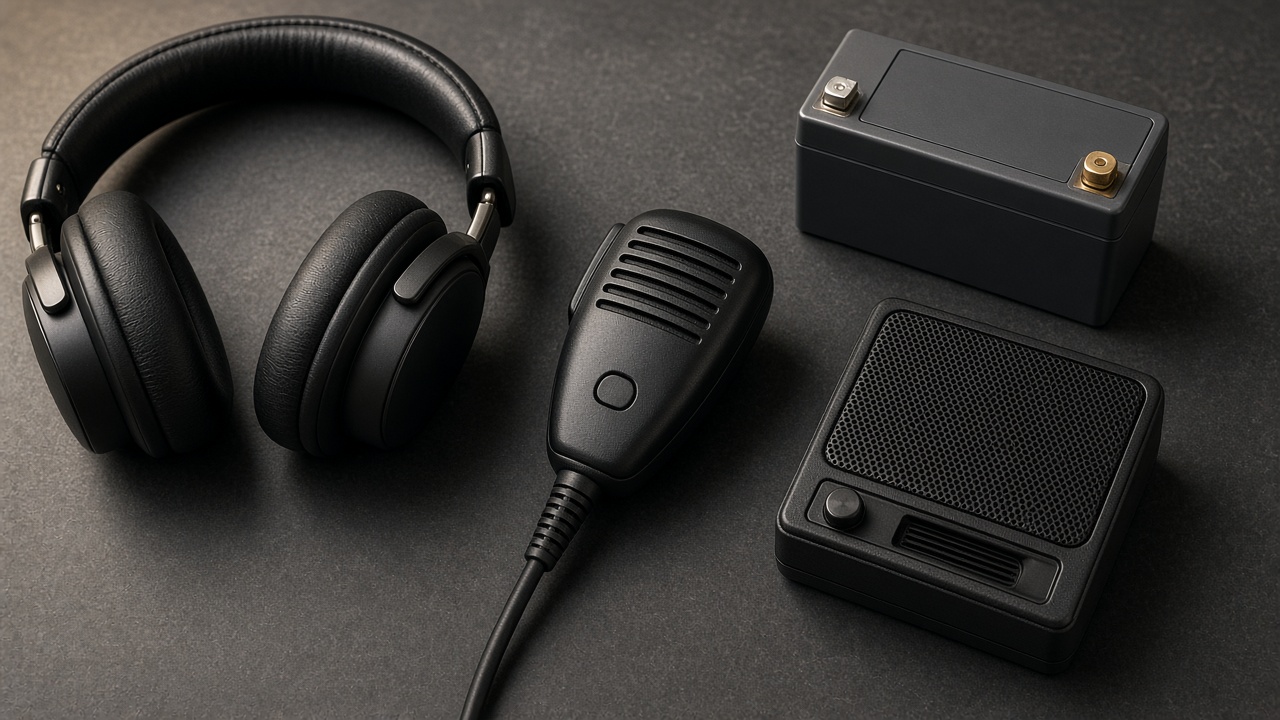
On a full station this box sits next to the tuner and the mic. Those neighbors are the ham radio accessories worth owning. The supply is the one the radio will not transmit without.
Batteries When the Wall Is Gone
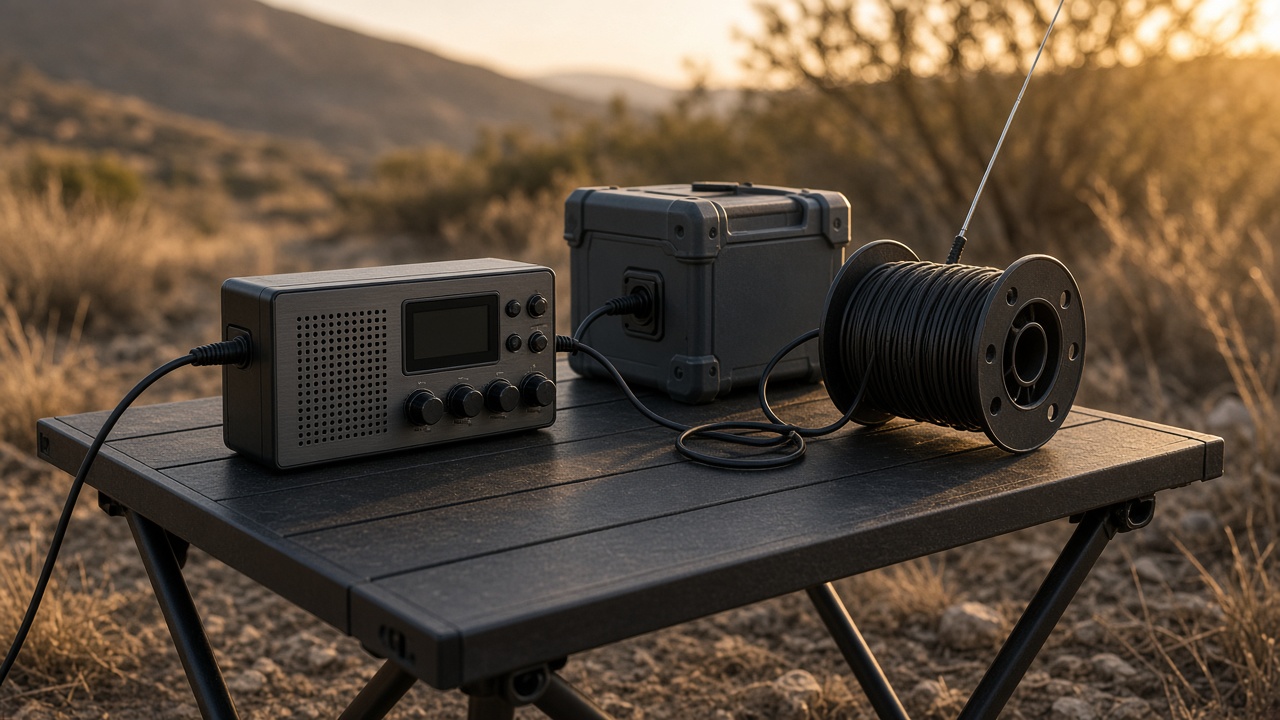
A bench supply needs mains power. A battery does not. For a portable ham radio setup, start with a battery that covers your transmit current for as long as you plan to operate, and a charger you have already used.
A go kit wants the same idea in a smaller bag. Spare packs, a fused lead to a car, maybe a panel to top the battery up. Packing that bag is the ham radio go kit job. The rule stays the same. Know the current, and find the dead pack on a practice day.
A Simple Choice
For an HF base station, with room on the desk and a receiver you want kept quiet, use a linear supply or a switching supply you have heard for yourself.
For a tight shelf, or a radio that also leaves the house, use a quiet switching supply in the current range you calculated.
Away from the mains, use a battery at the voltage the radio expects, sized the same way.
Market brochures describe an industry. Your radio’s manual describes the current. Use the manual.
Frequently Asked Questions
What voltage do ham radios use?
Most modern base and mobile radios expect about 13.8 volts DC, so check the manual because an older rig or a QRP radio can differ. Receive draws a little, and transmit draws the figure printed in the specifications. Buy for transmit.
Should I choose a linear or a switching supply?
A linear supply is heavy, warm, and clean, which is why people park one next to an HF receiver, while a switching supply is smaller and easier to carry. A poor switching supply puts birdies on HF, and a good one is filtered. Listen to a switching supply on your own receiver before you trust it beside an HF radio.
How much current do I need?
Add the transmit current of every radio and accessory that will run at the same time. Digital modes and long FM transmissions hold that current, while casual voice spends part of the time lower. Leave extra capacity so the supply is not at its limit, because a sagging voltage and a resetting radio mean the supply is too small or the leads are too thin.
Can I run the radio from a battery instead?
Yes, if the battery holds the voltage the radio expects while you transmit. That is the right source for a portable station and for a go kit. You still need a fuse, leads that can carry the current, and a charger you have used before the day you need it. A bench supply stays home with the wall outlet.