A ham radio signal problem usually lives in the antenna system, the connectors, or a noisy box nearby. The radio is the last thing to blame.
Start with what changed. A new cable, a rainstorm, a new lamp, or a band that was fine yesterday. Write down the SWR, the band, and whether the trouble is on transmit, on receive, or on both.
Then fix the simple thing. Loose connectors cause more “mystery” failures than bad radios do.
High SWR
SWR compares power going out with power coming back. A high reading means the antenna system is reflecting power. The finals heat up. The station reaches less far. Leave it that way and you can damage the radio.
Common causes are an antenna that is the wrong length for the band, coax that is broken or full of water, a loose or corroded connector, and a missing choke so the feed line has become part of the antenna. SWR that jumps when you wiggle a cable is a joint. Go touch every one.
Switch to a dummy load if you have one. A calm reading into the load, and an ugly reading into the antenna, means the radio is fine and the antenna system is not. Antenna choices are in Best Ham Radio Antennas. The cable itself is coaxial cable installation.
Noise on Receive
Some of what you hear is the path. Static crashes and a fading HF signal are ham radio propagation, not a broken rig.
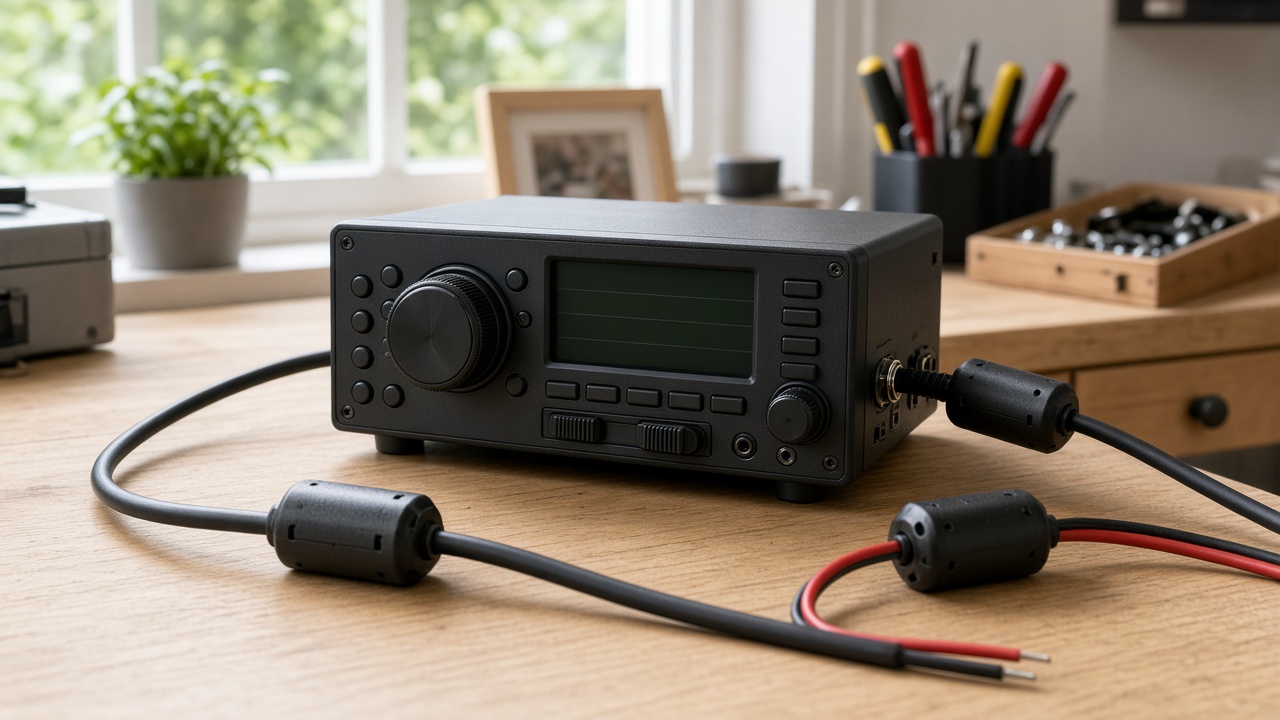
Some of it is local. A buzz that tracks the power line, a hash that dies when you flip a switch, a whine from a charger. Turn devices off one at a time. Distance and ferrites are the usual cure. The longer hunt is Reduce RFI in the Ham Shack.
A station bond will not erase a bad lamp. A missing bond will let RF crawl into the mic and the computer when you transmit. If the mic bites or the PC glitches on key-up, read Ham Radio Grounding before you add power.
Cables and Connectors
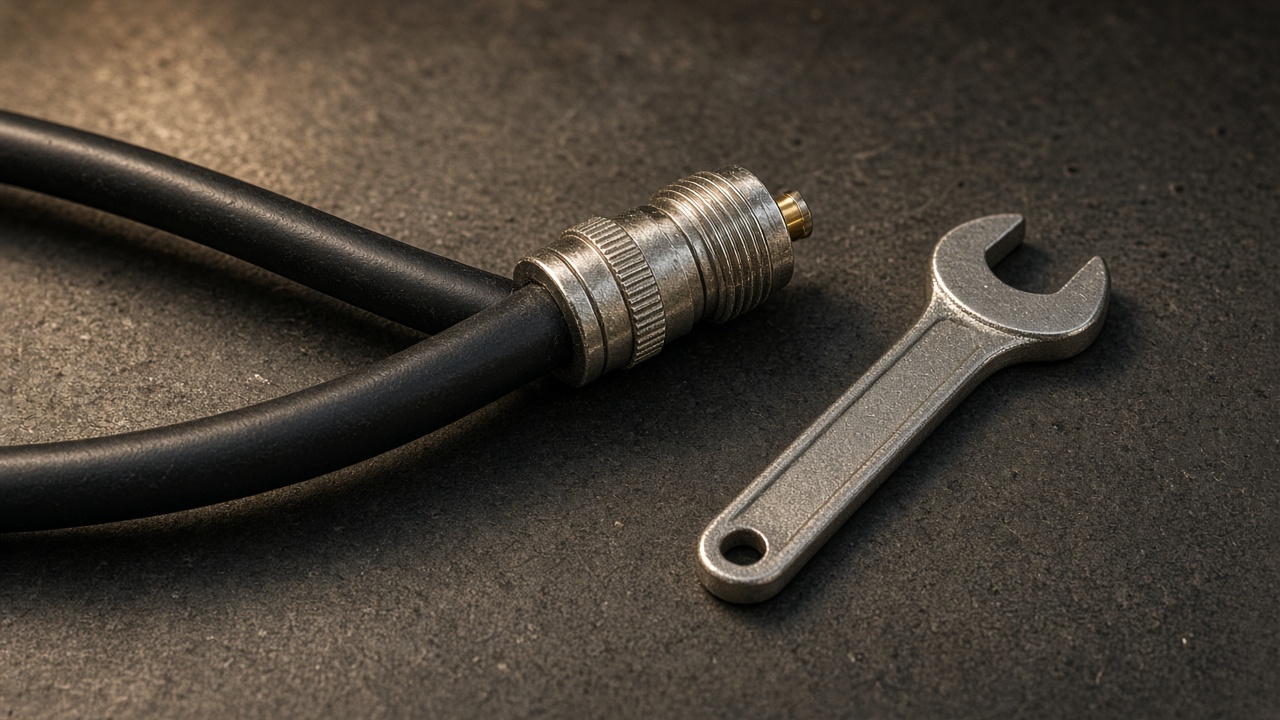
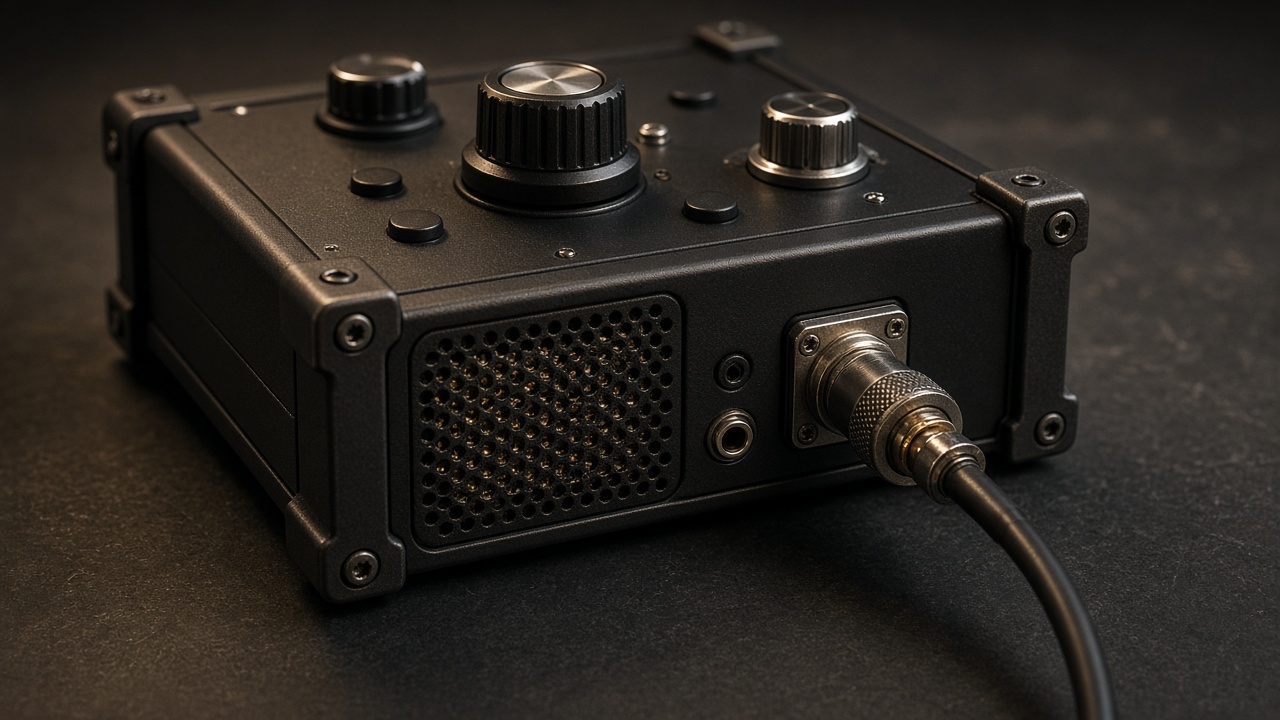
Oxidized PL-259s, a shield that never got soldered, a center pin that is too short, a jacket cracked by the Sun. Any one of those eats a signal or makes the SWR wander.
Use cable that fits the run. Thin, lossy coax on a long VHF or UHF feed line can make a healthy radio sound deaf. The lost power becomes heat in the cable. You hear the silence, not the heat.
Weatherproof outdoor joints. Water in the braid is a slow failure, and it likes a wet weekend.
Weather, Buildings, and the Sun
Rain and ice can shift an antenna and raise the SWR. Buildings and hills block VHF and UHF, and they bounce those signals into multipath. HF gets worse when the ionosphere is disturbed and better when it is not. That is the path.
Put the antenna as high and as clear as you can. Seal the connectors. If one heading is all noise, a more directional antenna can put that noise behind you. None of that helps while a connector is loose. Check the hardware first.
Habits That Save the Next Hour
Look over the feed line a few times a year. Glance at SWR when you change bands, not only after something has already failed. Set the mic gain so the audio is clean. Too much gain distorts your voice. It does not move the SWR. If the meter is erratic, leave the mic alone and chase the connection.
A radio that was fine into a dummy load yesterday is probably still fine. Trust that measurement, then fix what is outside.
Frequently Asked Questions
What does a high SWR actually do?
It means a chunk of your transmit power is coming back down the feed line instead of leaving the antenna. The finals heat up, and the station does not reach as far. Find the cause before you keep transmitting into it. A wrong antenna length, wet coax, a corroded connector, or a missing choke are the usual reasons.
My SWR changes when I touch the coax. What does that mean?
A connection is loose, or current is flowing on the outside of the shield. Check every connector for a solid center pin and a shield that actually lands. Then look at the balun or choke at the feed point. A reading that wanders with your hand is a hardware clue, and it shows up before the radio fails.
How do I tell interference from a bad radio?
Turn nearby devices off one at a time, and try another band. Noise that dies with a lamp or a charger is in the house, and a buzz that stays with the house powered down may be the power line. If the radio is clean into a dummy load and ugly only on the antenna, the antenna system is the problem, while static that follows the hour is often propagation.
Can mic gain cause erratic SWR?
Too much mic gain distorts your voice and splatters the channel, and it leaves the SWR meter alone. If the SWR is jumping, look at connectors, water in the coax, and the antenna. Set the gain so people understand you, and fix the match as its own job.