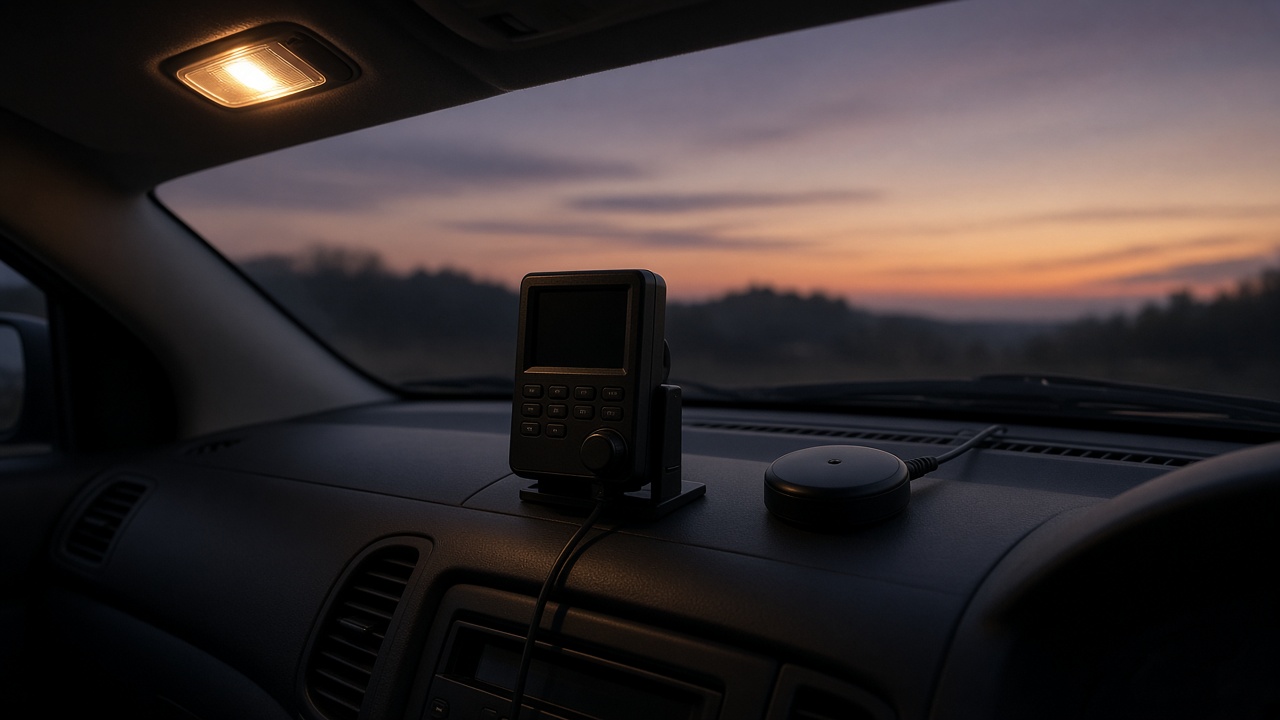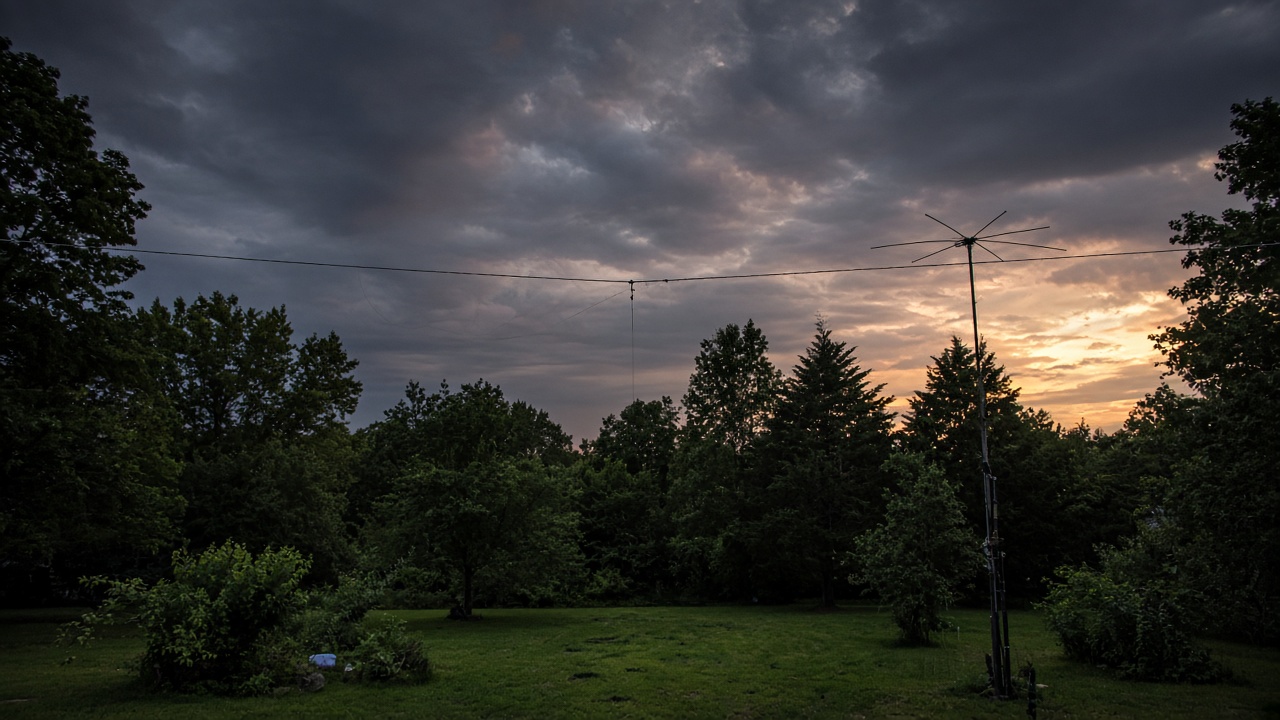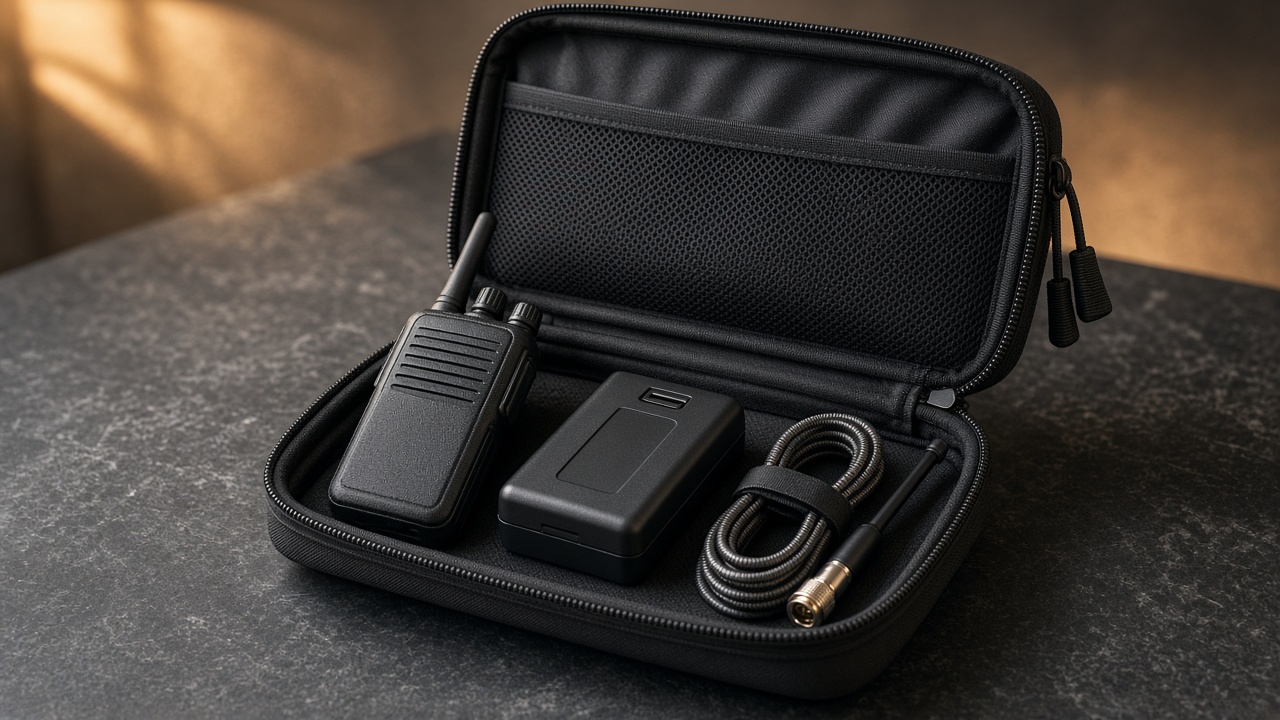
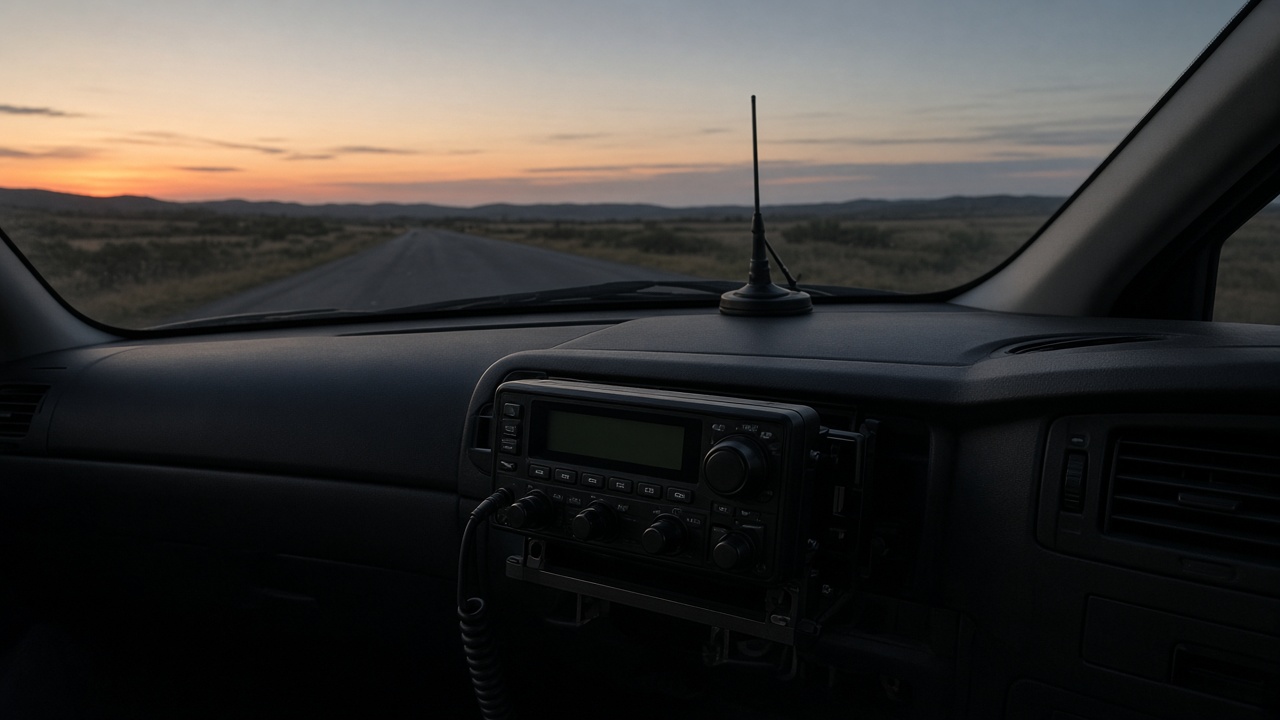
A mobile ham radio is a rig mounted in a vehicle, powered by the vehicle, with an antenna on the body. It is the station that is already with you.
Most of these radios are VHF and UHF. The range from a car is local, and the antenna will fit. HF in a vehicle is a bigger antenna problem. Get the VHF install right first.
The work is the mount, the power wiring, and the antenna. The radio itself is the easy piece.
Where the Radio Sits
Put the body where it can shed heat and where you can read the face. Under the dash, in a console, or a remote head on a bracket. Keep it out of the path of an airbag. Keep every cable off the pedals and the shifter.
You should reach the volume without a long look away from the road. A handheld on the passenger seat is a loose radio with a cord. It is not an install.
A radio for 2 meters and 70 centimeters is the usual pick. How those two bands compare with a third band is Dual-Band vs Tri-Band Radio. Program the local machines before you need them. Offset and tone are part of ham radio repeaters.
Power From the Battery
Run fused leads to the battery, positive and negative. Skip the temptation to tap a random cabin circuit and hope it can feed a radio that is transmitting. Route the two leads together so they pick up less noise.
Fuse at the battery and fuse at the radio. The battery-end fuse protects the car if the cable chafes and shorts. Use wire thick enough for the current and for how far it has to run. A thin lead sags on transmit, and the radio resets or distorts.
Tie the wiring down. It should never reach the steering, the pedals, or an airbag.
The Antenna
The center of the roof is the best place on a metal vehicle. The roof is the ground plane, and nothing on the car blocks the antenna. A trunk lid or a hatch can work. A mag-mount is fine when the panel under it is actually metal, and when the coax is routed so a door does not chew it.
Bring the cable in through a grommet. Check SWR in the driveway. A tidy mount with a bad match is a heater.
Connectors, weather, and a coax run that is not crushed are the same job as a home feed line. That is coaxial cable installation, scaled to a car.
In the Driveway, Then on the Road
Listen for alternator whine. Confirm the SWR. Make one simplex contact or one repeater contact before you drive. Program weather and the local emergency frequencies while you are parked.
Use a hand mic you can work without watching the display. Save the long contact for when the car is stopped. A speaker you can hear over the road, and a mic that stays put, are the useful pieces from ham radio accessories.
Position reports from the car are a separate mode. Get the voice radio working, then add APRS if you want it.
Frequently Asked Questions
Where should I mount a mobile radio?
Put the body where air can reach it and where the face is readable without blocking the road. Under the dash, in a console, or a remote head on a bracket all work. Keep it out of the path of an airbag, the pedals, and the shifter. A handheld loose on the seat is not a mobile install.
How should I power a radio in a car?
Run positive and negative leads straight to the battery, and fuse both ends so a short in the cable blows the fuse at the battery. Keep the two leads together so they pick up less noise, and use wire sized for the current and the length of the run. A thin lead drops voltage on transmit, and the radio misbehaves.
Where does the antenna go?
The center of a metal roof is the best spot, because the roof is the ground plane and the antenna has a clear path. A trunk or hatch mount can work, and a mag-mount needs real metal under it with the coax brought in through a grommet. Check SWR before the first drive.
What should I program before I leave?
The local repeaters, including offset and tone, plus a simplex channel and the weather or emergency frequencies you might want while parked. Do that in the driveway. Make one contact there too, so you know the install works. On the road, use a mic you can operate without staring at the face.