A ham radio club is a room full of people who already made the mistakes you are about to make. That is the benefit. The coffee is a side effect.
Clubs are small or large, formal or loose. The useful ones meet on a schedule, welcome a new licensee, and have at least one project that is not a business meeting.
You can learn the hobby alone. It is slower, and the local repeater tone will take you a month to find.
Someone to Ask
License study is the front door for a lot of members. A club class, or one person who will sit with the question pool, beats another night of guessing. If you are moving from Technician to General, say so. Someone in the room did it last year and still has the notes.
The same people will look at a noisy install, a tuner that will not match, or a handheld you cannot program. Bring the radio. A description of the radio is a worse teaching aid.
Workshops show up on the calendar when you least expect them. Antenna builds, digital modes, soldering. A DIY ham radio project goes faster with a second pair of eyes on the joint. Borrow the tool you do not own yet. Return it.
Newsletters and the club email list are where the “does anyone know why 146.94 changed tone” answers live. Read them before you reinvent the question on the air.
The Station and the Repeater
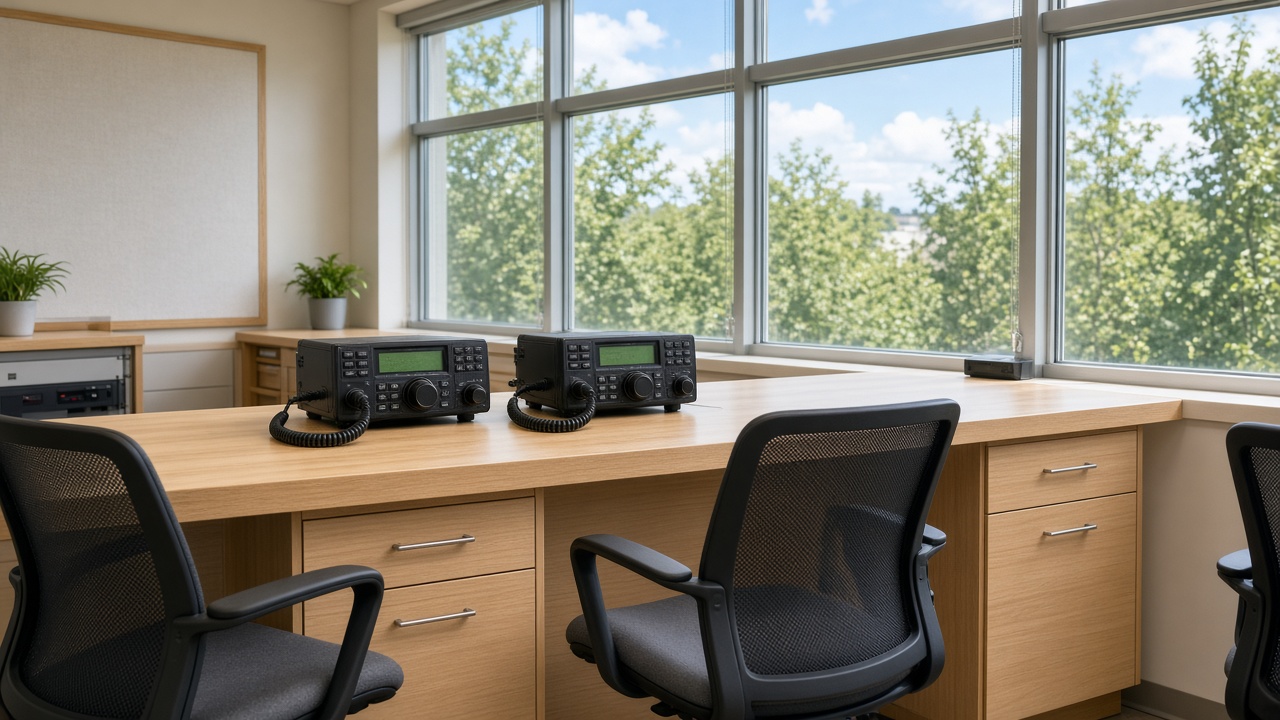
A club station is shared gear. The transceiver, the amplifier if they have one, and the antennas are already in the air. You can try a band your home lot will never hold. You operate with a control operator when the rules or the club require one, and you sign the log the way they ask.
Test equipment is the other quiet benefit. An antenna analyzer or a service monitor you could not justify for one dipole is sitting on their shelf. Ask before you borrow it for the weekend.
Many clubs also own the repeater you have been listening to. Dues, a work day, and someone who understands the duplexer are why it is still up. Using ham radio repeaters without ever meeting the trustee works. Meeting the trustee works better the week the tone changes.
Weekends That Need a Group
Field Day is the club weekend. The antennas go up on a site the club already has permission to use, and newer operators get a chair and a coach. Go to that one even if you go to nothing else.
Contests are the other standing invitation. A multi-operator station needs runners, loggers, and someone to make coffee. You can learn a ham radio contest exchange with a patient control operator next to you, which is a much better first contest than a solo pileup.
Public demos, license classes, and the booth at the county fair are how the club explains the hobby to people who have never heard a call sign. Help at one. You will discover which parts of the story you can tell clearly.
Public Service
Clubs are how amateur radio shows up for a town. The relationship with emergency management, a hospital net, or the weather spotters usually belongs to the club, not to a single operator.
Training, drills, and the actual callout live with that group. If you want the work, start at a meeting and then read amateur radio emergency communication so the vocabulary is familiar. The coordinator will still want you on the practice net before a real one.
Parades, races, and charity walks need the same skills on a sunnier day. Check in, pass the message, go home. Those events are how you find out if your handheld battery was a wish.
Find the Meeting
The ARRL club search is the list to start with. Cross-check it against whoever is identified as the repeater trustee on RepeaterBook. Two sources, same town, and you have a meeting night.
Go once. Introduce yourself with your call sign if you have one, or say you are studying if you do not. Ask what the club is doing in the next month. A good answer sounds like an activity. A good club will point you at a chair.
If the first room is a poor fit, try another. The hobby is full of personalities. The right club is the one that will hand you a coax adapter and explain it.
Frequently Asked Questions
Can I visit if I am not licensed yet?
Yes. Most clubs expect visitors, and a lot of them run the class that gets you to the test. You cannot transmit until you are licensed. You can listen, ask, and borrow a pencil.
Will they help me upgrade to General?
That is one of the things clubs are for. Bring the question pool you are missing and sit with someone who has already passed it. Many clubs host the exam session too, so you can study and test with the same people.
What is a club station?
It is a station the club owns. Often a better antenna and a more capable radio than a new member has at home. You operate under the club's rules and, when they are running a club call sign, under the control operator they assign.
How do I find one?
Use the ARRL club search, ask who owns the repeater you can hear, or show up at the meeting posted on a club site. One visit is enough to know if the room fits. Try the next club over if it does not.