A ham radio contest is radiosport. For a set number of hours you try to work as many stations as you can, on the bands and modes the rules allow, and you write every one down.
The contact is short. You send an exchange, you copy theirs, you log it, you move on. The ragchew can wait until Monday.
Your first one should teach you the rhythm. Score is a side effect. A weekend spent lost in the rules is a worse outcome than twenty clean contacts.
Pick a Small Target
Contests come in all sizes. Some last an evening. Some run from Saturday morning through Sunday night. Voice, CW, and digital each have their own events, and a few allow all three.
A short contest on a band you already use is the friendly start. A regional event is quieter than a worldwide one. CQ World Wide is the DX contest people mean when they talk about a packed band. It is a great thing to listen to. It is a rough place to send your first exchange.
Field Day is the other classic first weekend. It is an operating event, with a class and a section in the exchange, and clubs treat newcomers as the reason to show up. Use it if you want company. Use a small contest if you want to try the format from your own desk.
The ARRL contest calendar lists what is coming and points at the rules. Read the rules for the year you enter. Exchanges and the hours change.
Get the Station Boring
Boring is good. The radio should already do the mode you plan to use. The antenna should already match on that band. Find the SWR problem on Thursday, not at the start.
Headphones help when the band is a pile of stations. A comfortable chair helps more than a second radio. Water at the desk is not a joke if you are sitting there for hours.
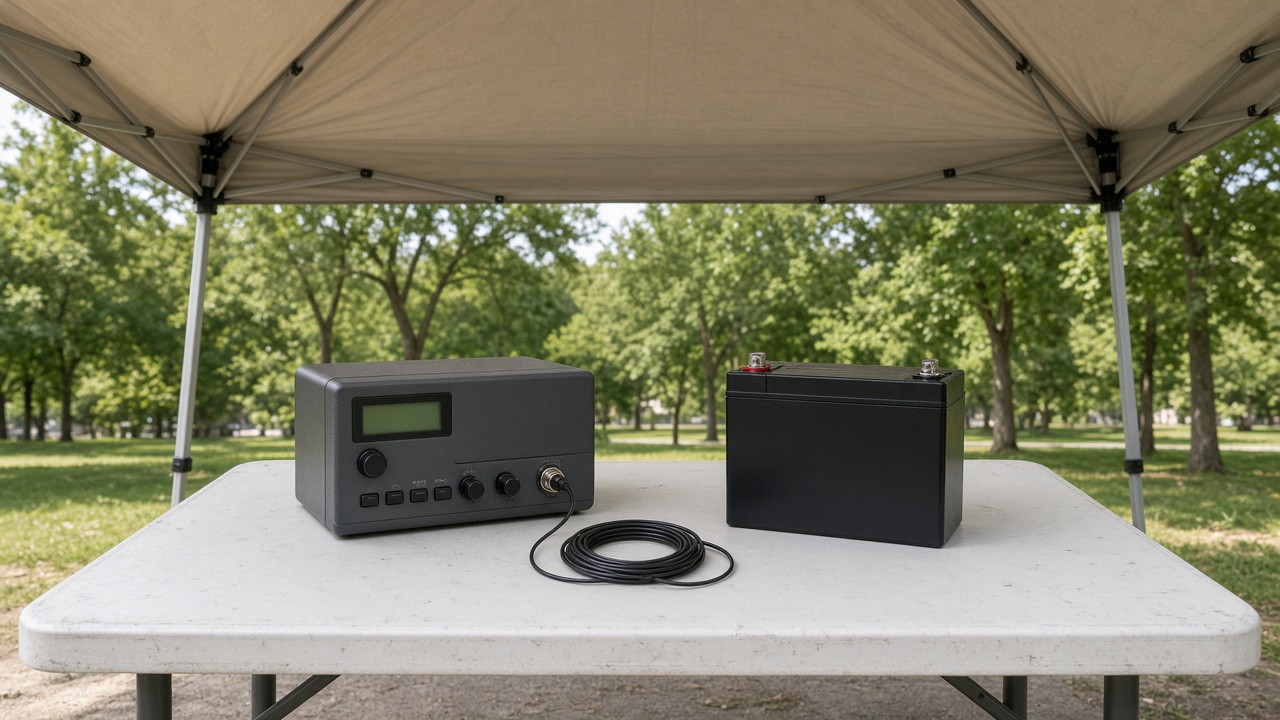
If the contest is long, know where the power comes from. A supply that browns out when the radio goes to full power will ruin a run. The plain version of that problem is a ham radio power supply that is actually big enough.
Make one or two ordinary contacts the day before. You want to know the mic works, or the key works, before the band fills up.
Learn the Exchange
Every contest publishes an exchange. It might be a signal report. It might be a serial number that climbs with each contact. It might be your state, your section, or a grid. You send yours and you copy theirs. Both have to land in the log.
Bands and modes are limited to what the rules list. A contact on the wrong mode does not count, and it may be in someone else’s way. Scoring is usually points per contact, sometimes multiplied by the number of places you work. You do not have to memorize the formula to operate. You do have to send the right exchange.
Most contests allow one contact with a given station on each band and mode. Work them again on a new band if the rules say so. Work them again on the same band and you have a dupe. Dupes cost time.
Logs are due after the contest, in the format the sponsor asks for. Cabrillo is the common one. Find the deadline before the weekend so it is not a surprise on Tuesday.
Search and Pounce
Calling CQ means you pick a clear frequency and invite the pileup. That is a skill. It is also a way for a new operator to freeze.
Search and pounce is the other method. You tune, you find someone calling, you wait for a gap, and you send your call sign once. If they come back, you send the exchange and listen for theirs. Then you tune on.
Accuracy beats speed. A wrong call sign in the log is not a contact. Ask for a repeat. The other station has repeated an exchange a thousand times and will repeat it once more.
Listen to a few exchanges before you jump in. You will hear the pattern. After that your own voice settles down.
Log It and Be Done
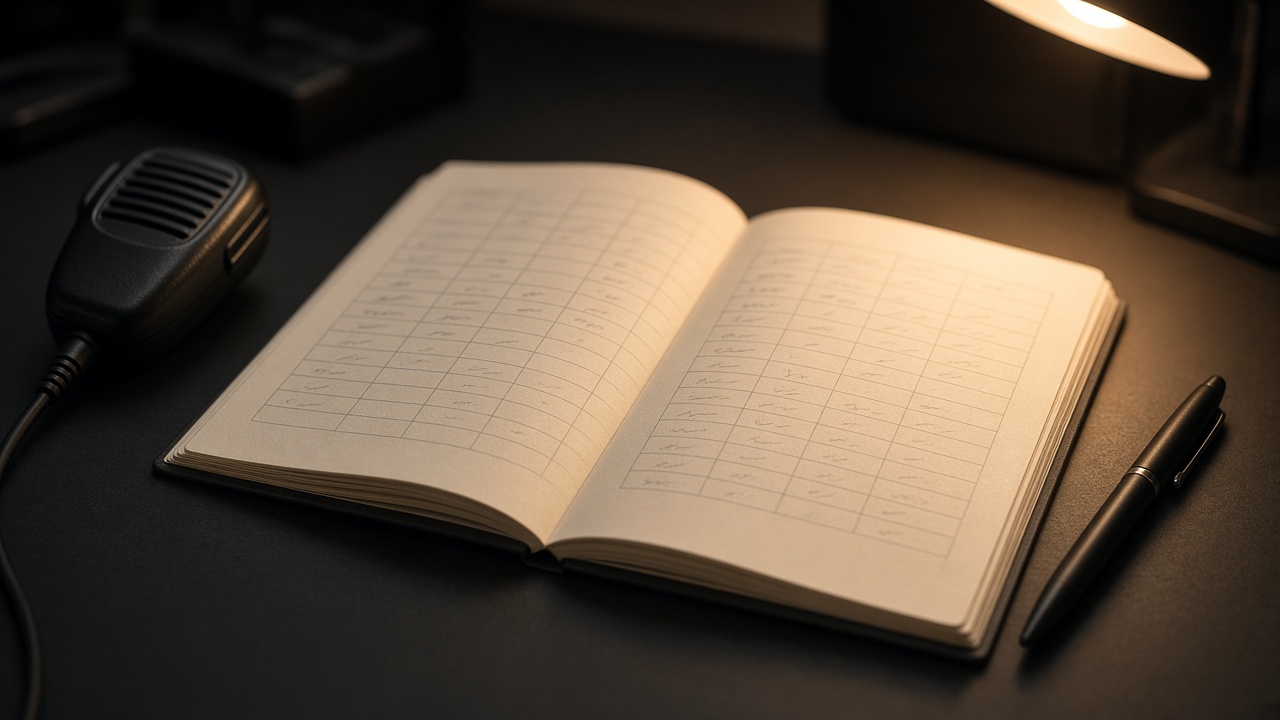
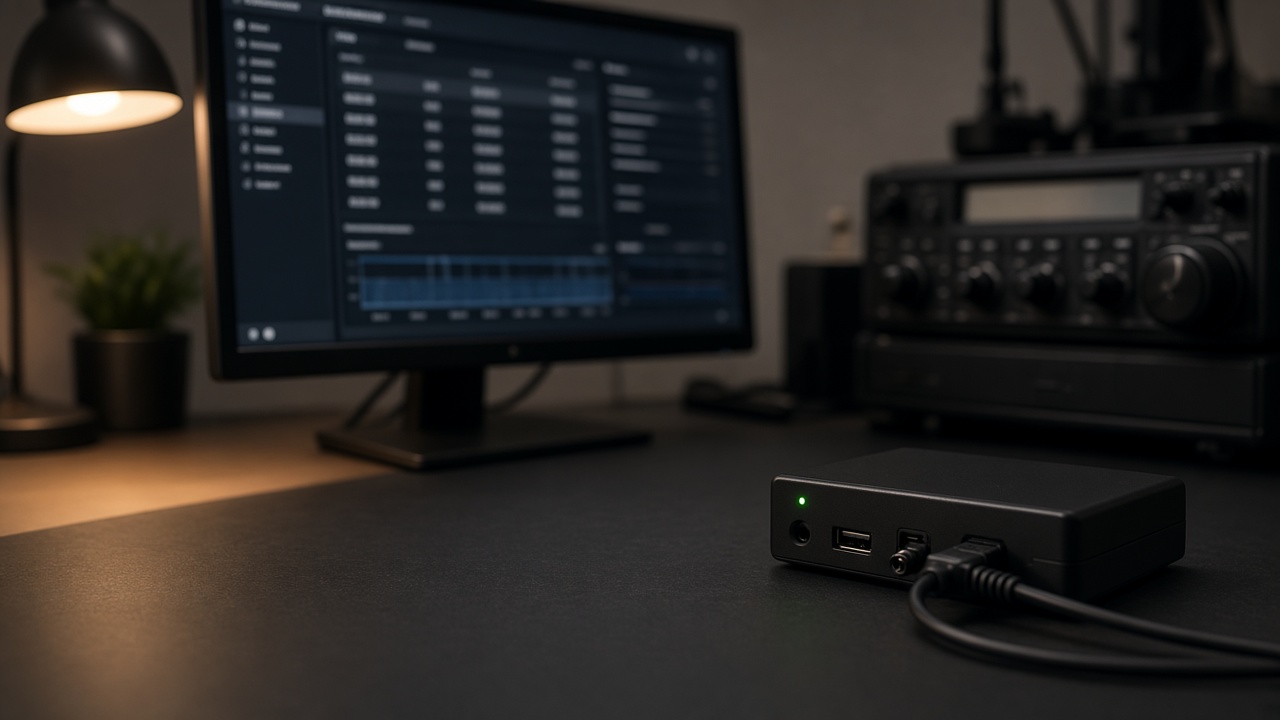
Log the contact when it happens. A scratch pad you meant to copy later is how serial numbers get swapped. N1MM Logger+ is the program built for this. A paper sheet is honest and fine for a first sprint. Either way, the record is a QSO log with a contest wrapped around it.
The programs themselves are in best ham radio software. Learn the keys for “log this contact” before the start. Hunting for a button while a station is waiting is the long way around.
If the band dies, change bands or change chairs. Propagation moves, and staring at a quiet frequency is optional. A look at ham radio propagation the day before at least tells you which band is worth trying first.
Leave space. Contest operating is still ham radio etiquette: listen before you transmit, send your call sign, and do not park on top of a station that was already there. Then submit the log, read it once for the call signs you doubt, and go do something else.
Frequently Asked Questions
What is search and pounce?
You tune the band, find a station calling CQ, and answer with your exchange. You are not holding a frequency. It is the calmer way to make your first contacts, and the stations you answer are already loud enough to copy.
What do I say?
Send whatever that contest's exchange is, from a signal report to a serial number, a state, or a grid square. The rules page for the event lists it. Send the same exchange every time so you can say it without thinking.
Do I have to stay for the whole contest?
A few clean contacts count, and you can leave when you are tired. A long contest runs all weekend, while a sprint is over in an evening. The sloppy last hour is how call signs get logged wrong.
Is Field Day a contest?
Field Day is an operating event with a contest-style exchange. You set up, you make contacts, and you practice for a weekend when the normal station is not available. The Field Day page on this site is the one to read before that weekend.